Relays are essential components in electrical systems, serving as electrically operated switches that enable control over multiple circuits with low power inputs. Whether you’re designing a simple control system or a complex automation setup, understanding the specifications of relays is crucial for selecting the right one for your needs. In this article, we’ll explore the key relay specifications and explain how they impact performance and selection.
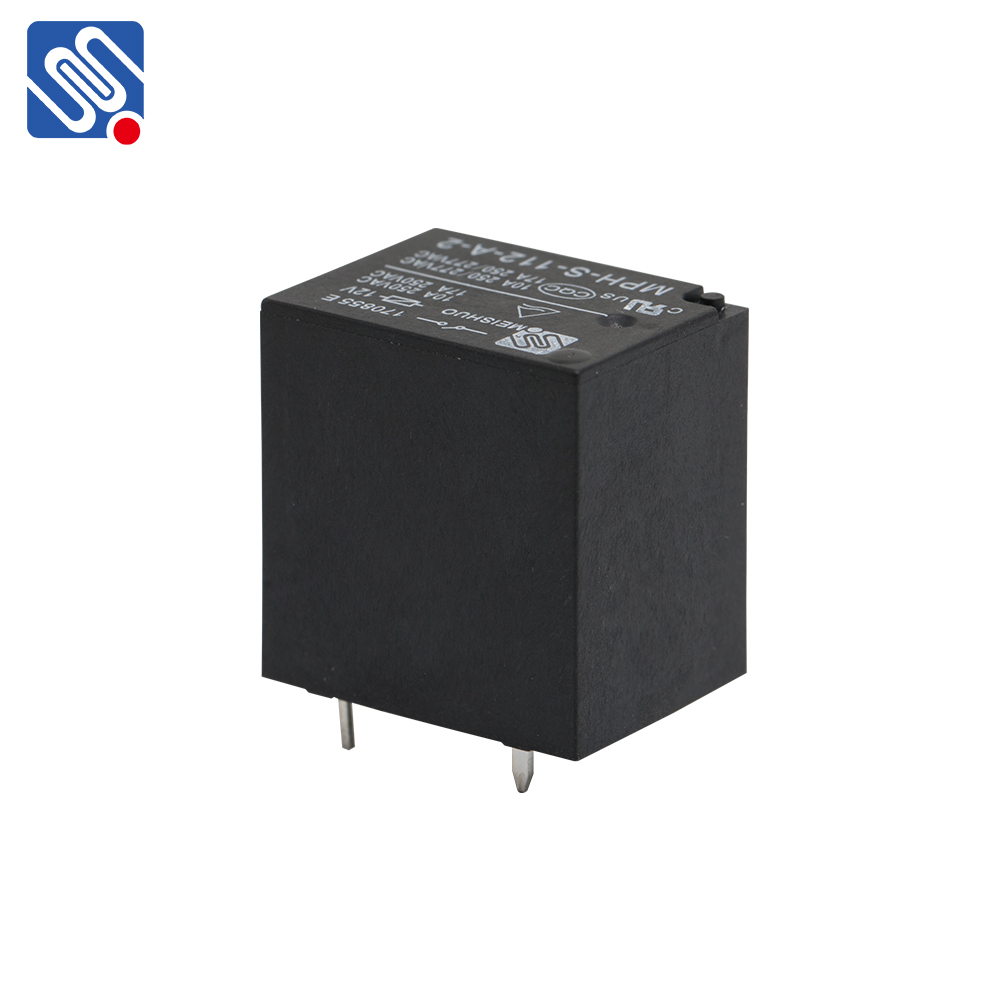
1. Coil Voltage The coil voltage is the voltage required to activate the relay’s coil, creating a magnetic field that operates the switch. It is one of the most important factors to consider when choosing a relay, as it must match the control signal available in your system. Common coil voltages include 5V, 12V, 24V, and 48V, but the specific voltage needed will depend on your application. Incorrect matching can lead to insufficient activation or potential damage to the relay. 2. Coil Resistance The coil resistance refers to the resistance of the coil when the relay is in its unenergized state. It determines the current needed to energize the coil. For example, a higher coil resistance generally means that the relay will consume less current during operation. However, the resistance should be compatible with the available power source to ensure proper functioning. In most cases, coil resistance is specified alongside the coil voltage.