In today’s increasingly automated and interconnected world, the importance of electrical safety cannot be overstated. One critical component in ensuring the safety and functionality of electrical systems is the relay. Relays are widely used in various industries to control and protect circuits from potential damage caused by faults, overloads, or environmental factors. The safety features integrated into relays are designed to safeguard both electrical systems and the equipment they protect. This article will explore some of the key relay safety features that help maintain the reliability and safety of electrical systems.
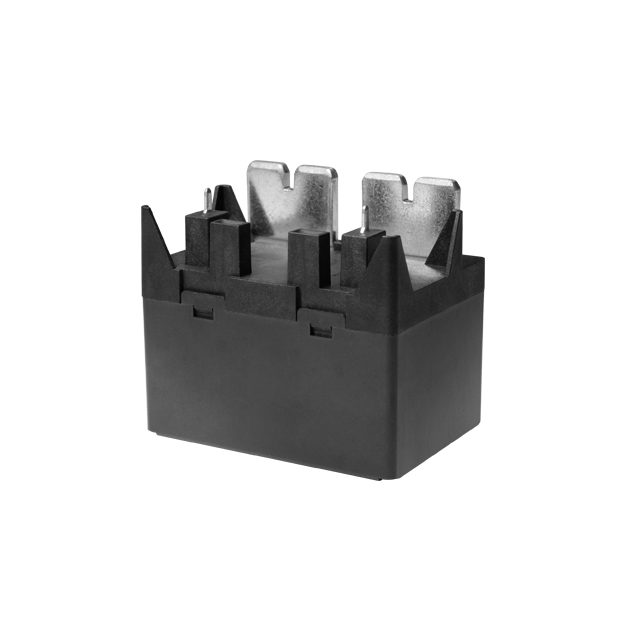
1. Overload Protection One of the most common and important safety features of relays is overload protection. Overload relays are specifically designed to monitor current levels in a circuit. When the current exceeds the safe operating range, typically due to an overload condition, the relay acts to disconnect the circuit, thereby preventing damage to the equipment. Overload protection is crucial in industrial applications where motors or other equipment are at risk of damage due to excessive current. By disconnecting the circuit during an overload, the relay prevents costly repairs and downtime.