Relay production is an essential component in the manufacturing of electrical systems that facilitate automation, control, and electrical safety across a wide range of industries. A relay, a type of electrical switch, operates by opening or closing contacts to control a larger electrical current with a smaller one. These devices are pivotal in systems ranging from home appliances to industrial machinery. In this article, we will explore the intricacies of relay production, the technology behind it, and its significance in modern electrical systems.
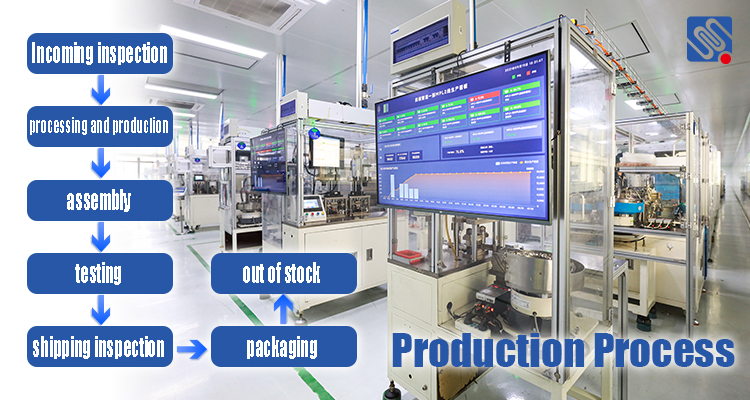
Understanding Relays and Their Importance A relay is an electromechanical or solid-state device used to switch electrical circuits. It consists of a coil, which, when energized, activates an armature to open or close the contacts, thus allowing current to flow through the connected circuit. Relays serve several purposes, including isolating control circuits from power circuits, controlling large electrical loads with smaller control signals, and enabling automation in industrial settings. The versatility of relays makes them integral to various applications, including automotive systems, home appliances, industrial machinery, and telecommunications. Their ability to handle high-voltage loads safely and respond to low-voltage triggers ensures that they remain indispensable in modern electrical systems.
Leave a Reply