Relay installation is a crucial process in electrical systems, enabling efficient control of high-power devices through low-power circuits. A relay acts as a switch that opens or closes contacts based on an input signal, allowing it to control a variety of electrical devices, such as motors, alarms, and lighting systems. Proper installation is essential to ensure safety, functionality, and reliability of the electrical circuit. In this article, we will explore the key considerations for successful relay installation, including preparation, steps, and safety measures.
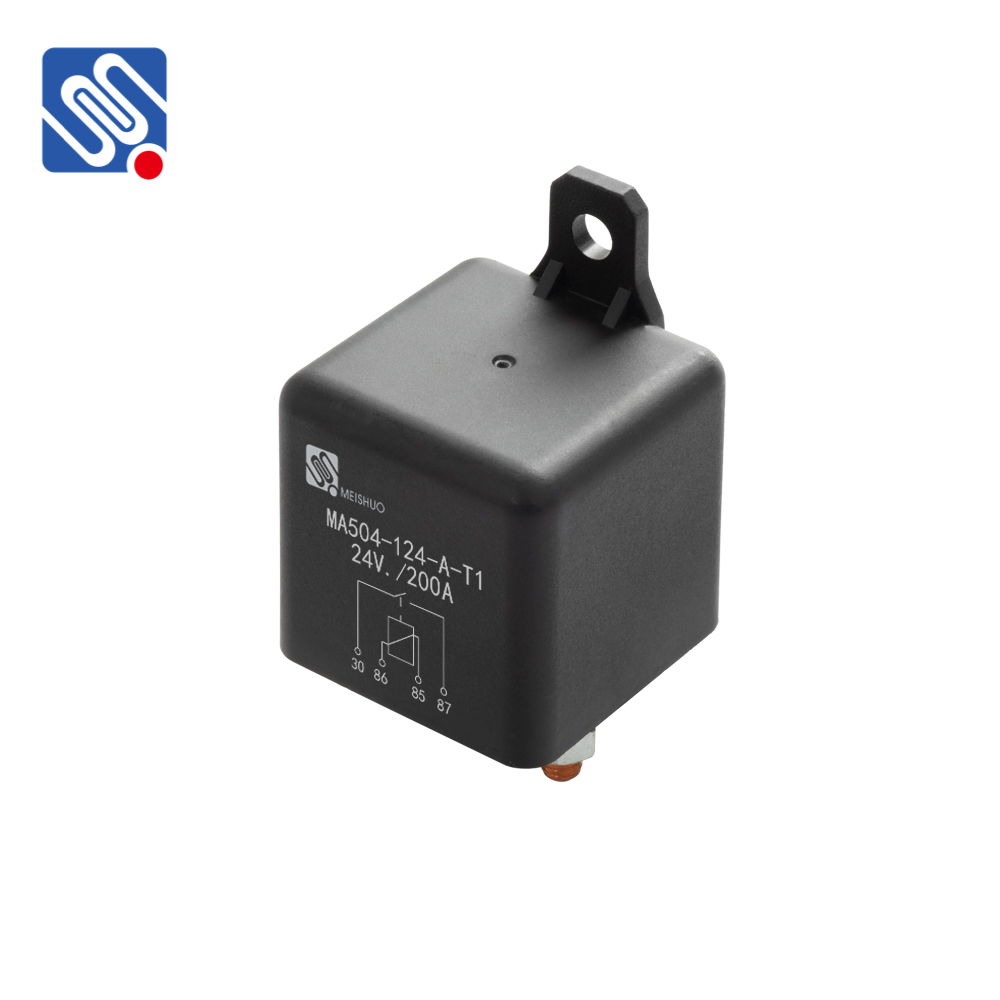
Understanding Relays and Their Function A relay is an electrically operated switch used to control circuits in industrial and residential applications. It is typically composed of a coil, which, when energized, creates a magnetic field that moves the contacts to switch the circuit on or off. There are various types of relays, including electromagnetic relays, solid-state relays (SSRs), and time-delay relays, each with specific applications based on the nature of the control system and the power levels involved. Relays are often used to control high-voltage or high-current devices from low-voltage control systems. For example, a small control circuit can switch on a motor using a relay, ensuring that the high current required for the motor’s operation does not directly affect the sensitive control circuit.