The relay industry has experienced significant transformation in recent years, driven by advancements in automation, connectivity, and sustainability. Relays, which are electromechanical or solid-state devices used to control electrical circuits, are becoming more sophisticated, and their applications are expanding across various industries. This article explores the key trends shaping the future of the relay industry, focusing on the integration of smart technologies, miniaturization, and the increasing demand for high-performance components.
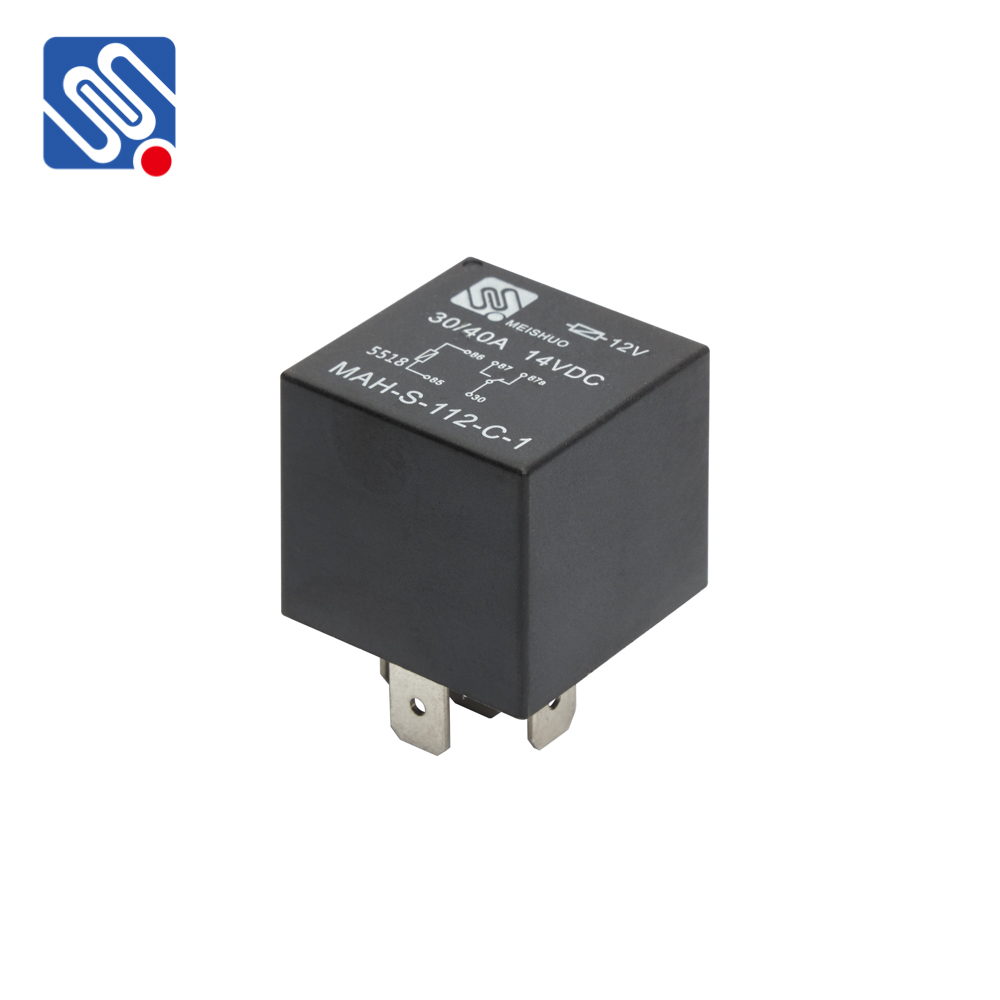
1. Smart Relays: Driving Automation and Connectivity One of the most notable trends in the relay industry is the move toward smart relays. As industries embrace automation and the Internet of Things (IoT), relays are becoming more integrated into intelligent systems. Smart relays, equipped with sensors, microcontrollers, and communication interfaces, allow for real-time monitoring, remote control, and predictive maintenance. These relays can communicate with other devices over networks, such as Wi-Fi, Bluetooth, or even 5G, enhancing the connectivity and efficiency of systems. For example, in industrial automation, smart relays are used to monitor and control complex machinery. In smart homes and buildings, these relays enable energy-efficient solutions by optimizing lighting, heating, and security systems. As automation spreads across different sectors, the demand for intelligent relays with enhanced functionalities is expected to grow rapidly.