Relay functional testing is a crucial process in the world of communication systems, control systems, and networking devices. It refers to the process of testing relays—whether mechanical or digital—to ensure they perform their intended tasks correctly. Relays, which are switches used in electrical and electronic circuits to control signals or power, are essential components in many applications. Given their importance, ensuring their reliability and functionality through testing is vital. This article explores the concept of relay functional testing, its significance, the testing process, and the challenges involved.
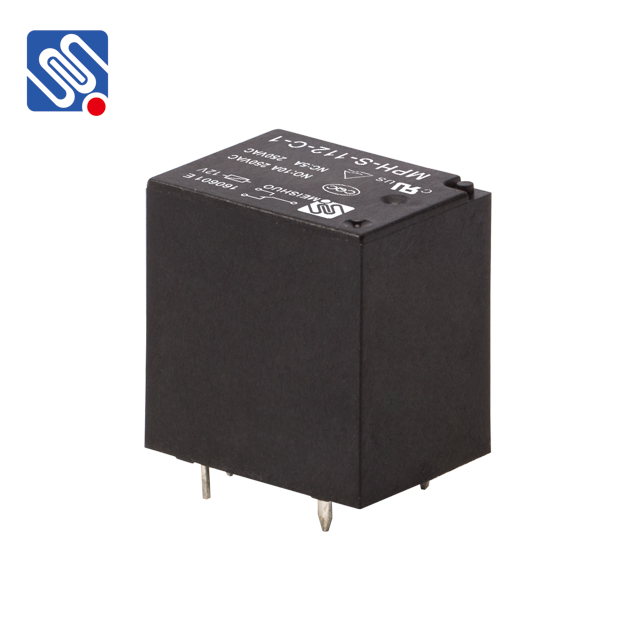
Understanding Relay Functional Testing At its core, relay functional testing is designed to verify that relays and similar components in various systems operate as expected under real-world conditions. In essence, it ensures that the relay responds appropriately to different signals, functions correctly in transmitting data or power, and performs its job reliably over time. These tests focus on a wide range of performance aspects, such as response time, accuracy, durability, and ability to handle different load conditions. Relay functional testing can be applied to both mechanical relays (which use physical components to control the flow of electricity) and solid-state relays (which rely on semiconductors to control electrical signals). The choice of relay impacts the type of testing required. Mechanical relays, for instance, might require more thorough testing for issues like wear and tear, while solid-state relays might require tests that examine heat dissipation and voltage tolerance.