Relay functional testing is an essential procedure used to assess the operational performance and reliability of relays, which are integral components in numerous electrical and electronic systems. Relays are electromagnetic switches that control the opening and closing of circuits, acting as a vital safety mechanism and controlling system within devices. The functionality of a relay ensures that it operates within its specified parameters under real-world conditions, safeguarding devices from failure and malfunction. This article will explore the significance, methodologies, and benefits of relay functional testing, highlighting its role in various industries.
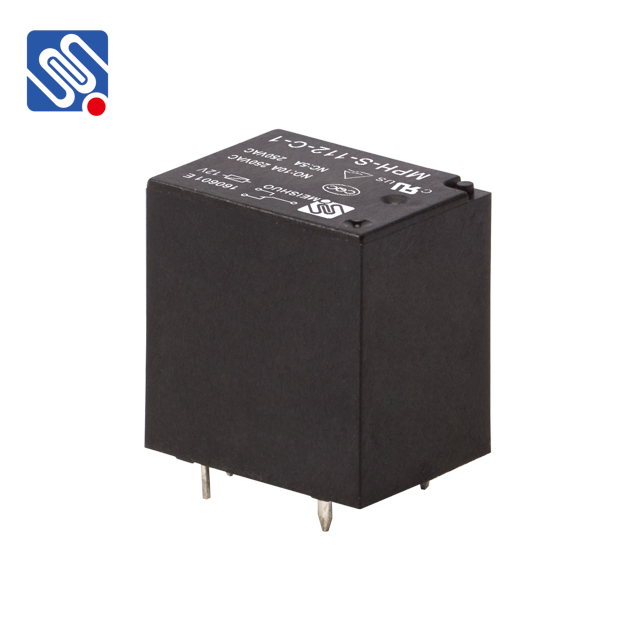
The Importance of Relay Functional Testing Relays are used in a wide range of applications, from industrial machinery and automotive systems to household appliances and communication networks. These devices often control critical processes, such as the operation of motors, lighting systems, and alarms. Given the relay’s essential role in ensuring the correct operation of these systems, any malfunction can lead to significant consequences, including equipment damage, system downtime, and safety hazards. Therefore, performing functional tests on relays is crucial to ensure that they perform as expected in their designated environment.