In modern vehicles, electrical systems are paramount to their operation, controlling everything from lighting and climate control to engine management. At the heart of many of these systems are relays, which serve as electrically operated switches. They allow low-power signals to control high-power circuits, playing a crucial role in ensuring that a vehicle operates smoothly and safely. However, like all components, relays can fail, leading to potentially serious issues if left unaddressed. In this article, we will explore the various relay failure modes in cars, their consequences, and methods for prevention.
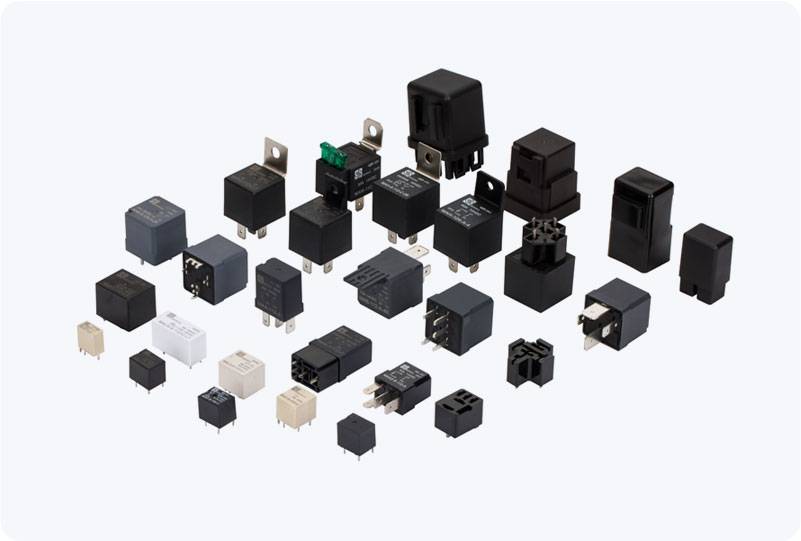
Understanding Relay Functionality A relay is essentially an electromagnetic switch that opens and closes circuits. It consists of a coil, an armature, and sets of contacts. When an electrical current passes through the coil, it generates a magnetic field that moves the armature, thereby changing the state of the contacts. This mechanism allows a small current to control a larger one, making relays indispensable in automotive applications. Common Relay Failure Modes Contact Welding: One of the most significant failure modes is contact welding, where the contacts become permanently stuck together. This can occur due to excessive current flowing through the relay, which generates heat. As the contacts overheat, they can fuse together, resulting in a situation where a circuit cannot be interrupted, leading to continuous operation of the device it controls or, conversely, complete failure to operate.