Relays play an essential role in modern automobiles, acting as switches that allow low-voltage circuits to control high-power devices. These components, though relatively simple, are critical to the smooth operation of various electrical systems in a car. However, like any mechanical or electrical part, relays are susceptible to failure over time. Understanding the common relay failure modes in cars is important for diagnosing and preventing potential issues that could compromise vehicle performance and safety.
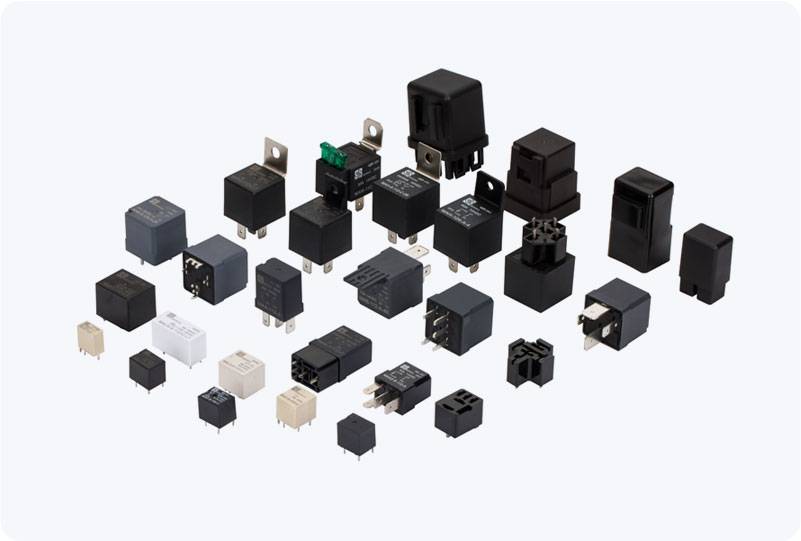
What is a Relay? A relay is an electromagnetic switch that opens and closes an electrical circuit. In cars, relays are often used to control systems that require more power than a standard switch can handle. Common applications include controlling the starter motor, headlights, fuel pumps, and HVAC systems. The relay works by using a small electrical current to activate a larger current that powers the device. This design allows for efficient control and protection of sensitive circuits in the vehicle. Common Relay Failure Modes in Cars 1. Contact Failure or Poor Connection The most common failure mode for a relay is poor contact between the internal contacts that close and open the circuit. Over time, the contacts inside the relay can accumulate carbon deposits or develop corrosion, especially in high-current applications like the starter motor relay. This results in a high-resistance connection that can cause intermittent or total failure of the controlled device.