Voltage Compatibility: The relay’s coil voltage and contact voltage should match the system’s requirements. If the voltage specifications are mismatched, the relay may fail to operate properly or even get damaged.
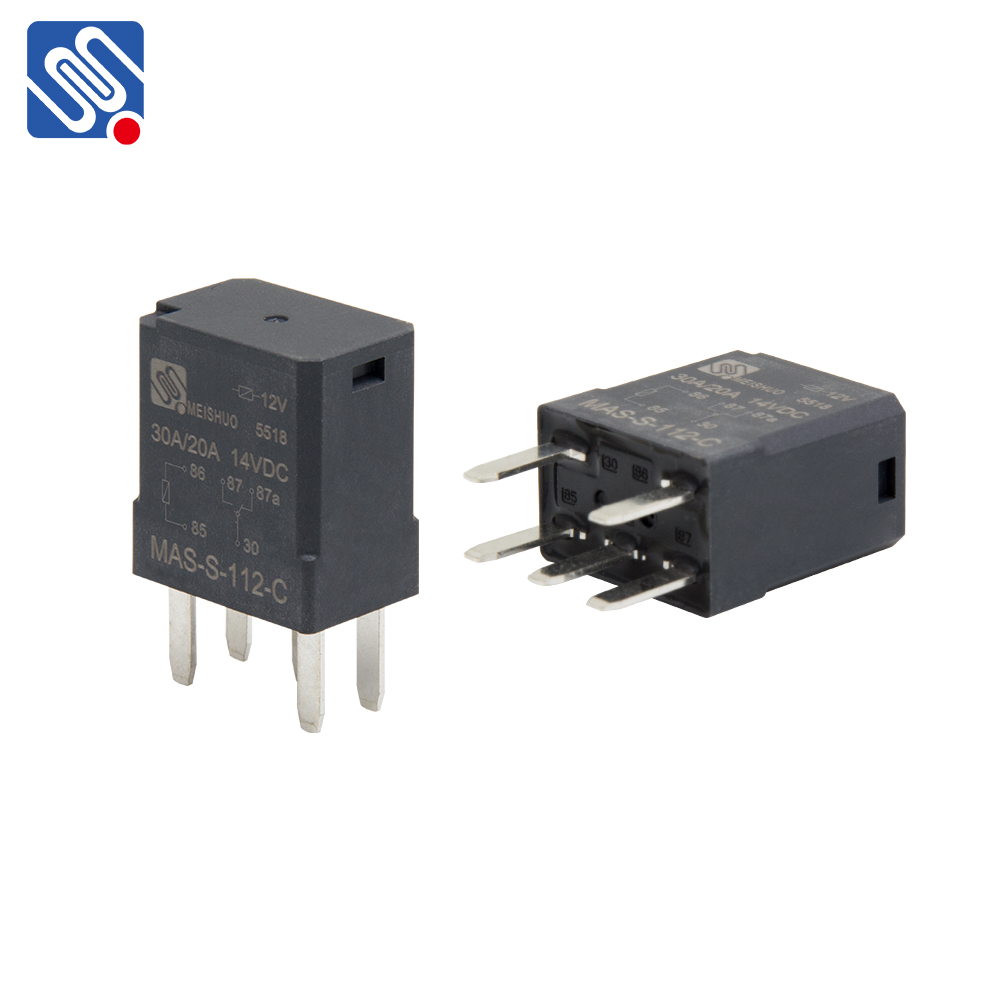
Current Rating: The relay must support the current requirements of the circuit it’s controlling. A relay that is rated for a lower current than the system’s needs can overheat or fail to switch effectively. Contact Type: There are various types of contacts in relays, such as Normally Open (NO) or Normally Closed (NC). The type of relay contact should match the intended circuit operation. Size and Mounting Type: Relays come in various physical sizes and mounting configurations (e.g., PCB mount, socket mount). Ensuring the relay fits into the system’s design and mounting configuration is crucial for compatibility.