Relay circuit protection plays a crucial role in safeguarding electrical systems, ensuring that they operate safely and efficiently. With the ever-growing reliance on complex electrical circuits and networks, the importance of relay protection cannot be overstated. Whether in industrial power systems, renewable energy plants, or everyday electrical equipment, relays act as the first line of defense against faults, overloads, and other abnormal conditions that could otherwise lead to equipment damage, fire hazards, or even system-wide failures.
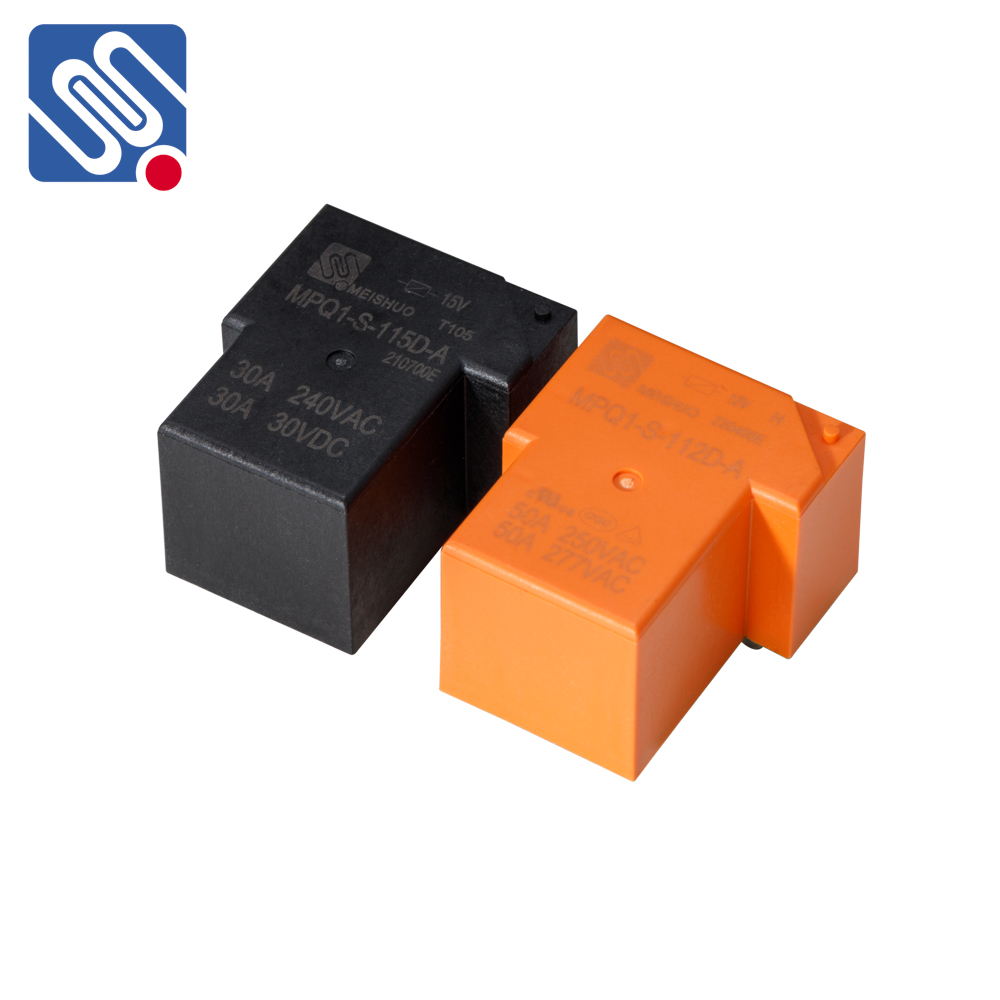
What is Relay Circuit Protection? Relay circuit protection refers to the use of relays and protective devices to monitor and control electrical circuits in order to prevent damage due to fault conditions. A relay is an electrical switch that opens or closes contacts based on specific operating conditions, such as current, voltage, or temperature thresholds. Protection relays are designed to detect faults in the system, such as short circuits or overloads, and automatically disconnect or isolate the affected part of the circuit to minimize damage and maintain the integrity of the overall system.