Relay circuits are essential components in modern electrical systems, often serving as the first line of defense against faults, overloads, and other hazardous conditions. These circuits use relays to detect abnormal conditions and interrupt the power supply to prevent further damage. With increasing reliance on electrical devices and systems, the importance of effective relay circuit protection cannot be overstated. This article explores the key elements of relay circuit protection and its role in safeguarding electrical systems.
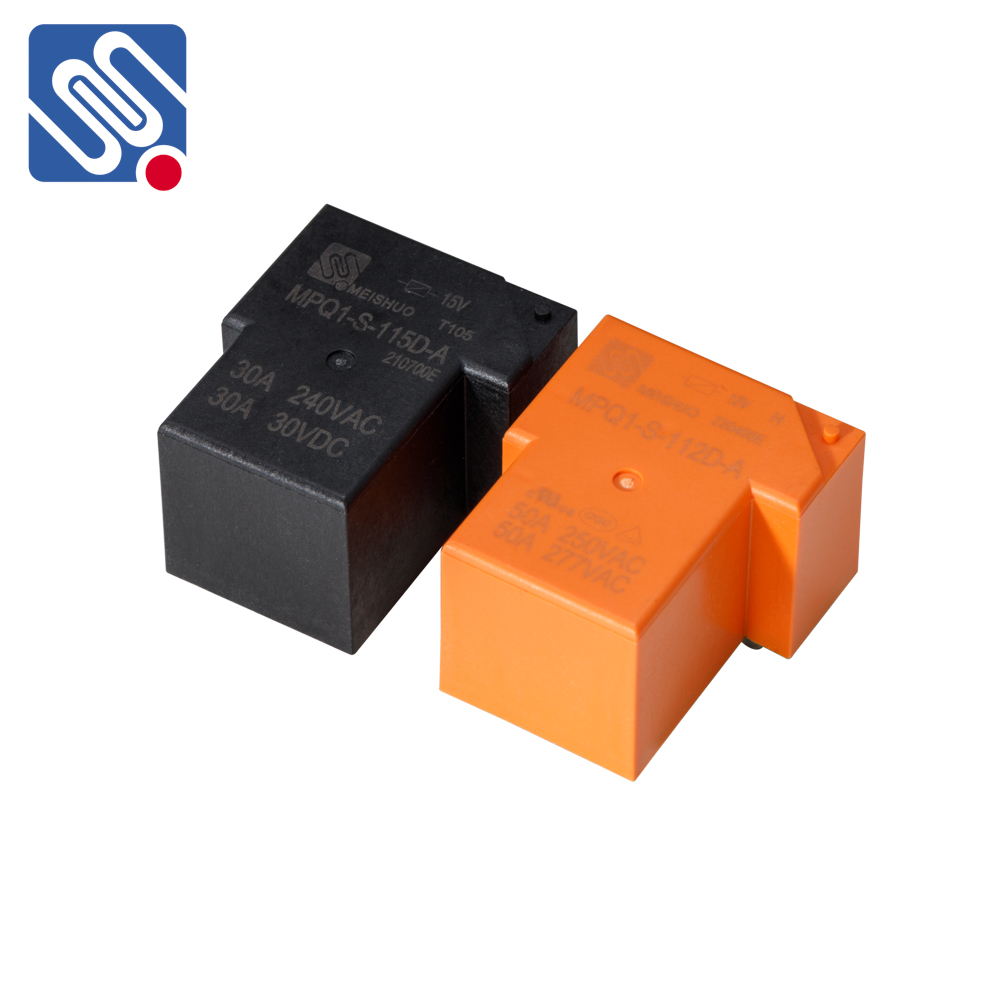
What is Relay Circuit Protection? Relay circuit protection refers to the use of relays to monitor the electrical parameters of a system and respond to faults or abnormal conditions by disconnecting the circuit. Relays are electromechanical or electronic devices that can control a circuit by opening or closing their contacts when a specific condition is met. In the context of circuit protection, these conditions typically include excessive current, voltage, or temperature, as well as ground faults. Types of Relay Protection Overcurrent Protection: Overcurrent protection is one of the most common functions of relay circuits. When the current exceeds a predefined value, typically due to a short circuit or an overload, the relay activates and interrupts the current flow. This prevents excessive current from damaging the system components or causing fires. Overcurrent protection relays are used in nearly all electrical systems, from household appliances to large industrial equipment.