Relay circuits are essential components in the field of electrical and electronic engineering, enabling control of high-power devices with low-power control signals. A relay circuit operates as an electrically controlled switch, typically used to isolate different parts of an electrical system, protect sensitive equipment, or automate processes. This article delves into the principles of relay circuit design, highlighting the key considerations and essential steps in creating reliable and efficient relay-based systems.
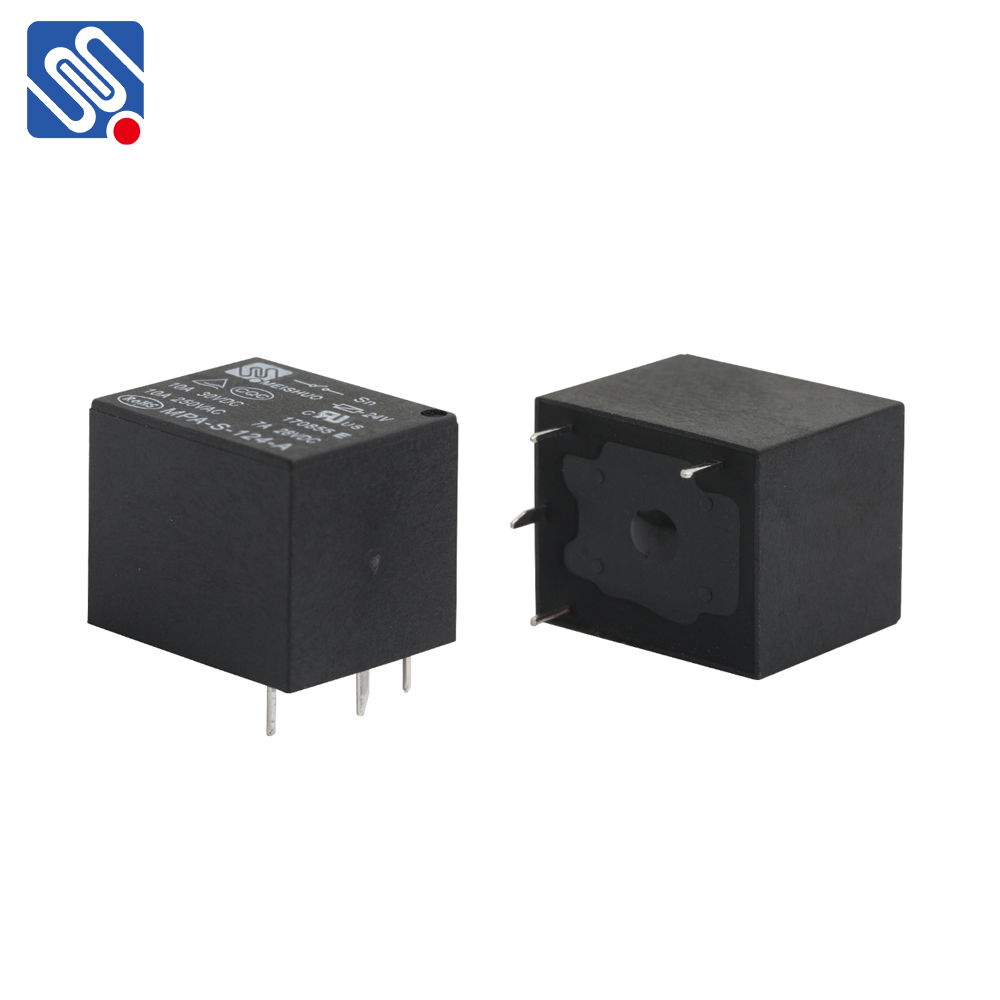
Understanding Relays and Their Functionality A relay is an electromagnetic switch that can open or close circuits in response to an input signal. The fundamental structure of a relay consists of a coil (electromagnet), armature, contacts (usually two or more), and a spring. When an electric current flows through the coil, it creates a magnetic field that attracts the armature, causing the contacts to either close or open depending on the design. Relays are classified into various types based on their structure and purpose, including: Electromagnetic Relays: These are the most common type, utilizing a coil to create a magnetic field that actuates the switch.