Relay circuits are fundamental components in modern electrical and electronic systems. They allow for the control of large electrical loads using small control signals, making them indispensable in automation, control systems, and protection applications. In this article, we will explore the core principles of relay circuit design, the different types of relays, and their various applications in real-world systems.
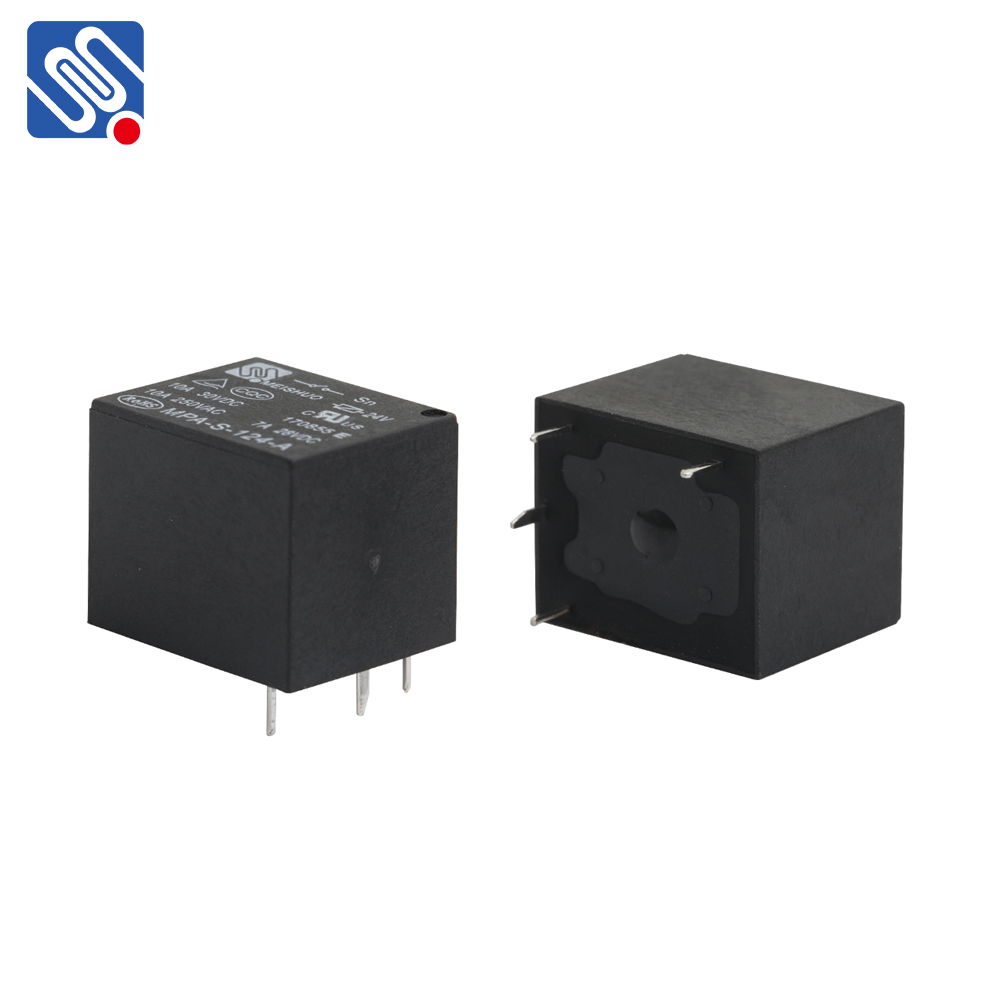
Principles of Relay Circuit Design A relay is an electromechanical switch that uses an electromagnet to control the switching of its contacts. When a current flows through the relay’s coil, it generates a magnetic field that attracts an armature, causing the contacts to change their state. Typically, the contacts are either “normally open” (NO), which means they are open when the relay is not energized, or “normally closed” (NC), which means they are closed in the unenergized state. The primary function of a relay is to isolate the control circuit from the load circuit, allowing for safe operation of high-voltage or high-current devices using low-voltage or low-current control signals.