Relay circuit design plays a crucial role in various fields such as automation, electrical protection, and signal switching. A relay is an electromechanical device that uses an electromagnet to control one or more sets of contacts. These contacts, when actuated, allow or prevent the flow of electrical current in the circuit. The simplicity, reliability, and versatility of relay circuits make them indispensable in many electrical systems. In this article, we will explore the essential components and considerations when designing relay circuits, as well as common applications and design challenges.
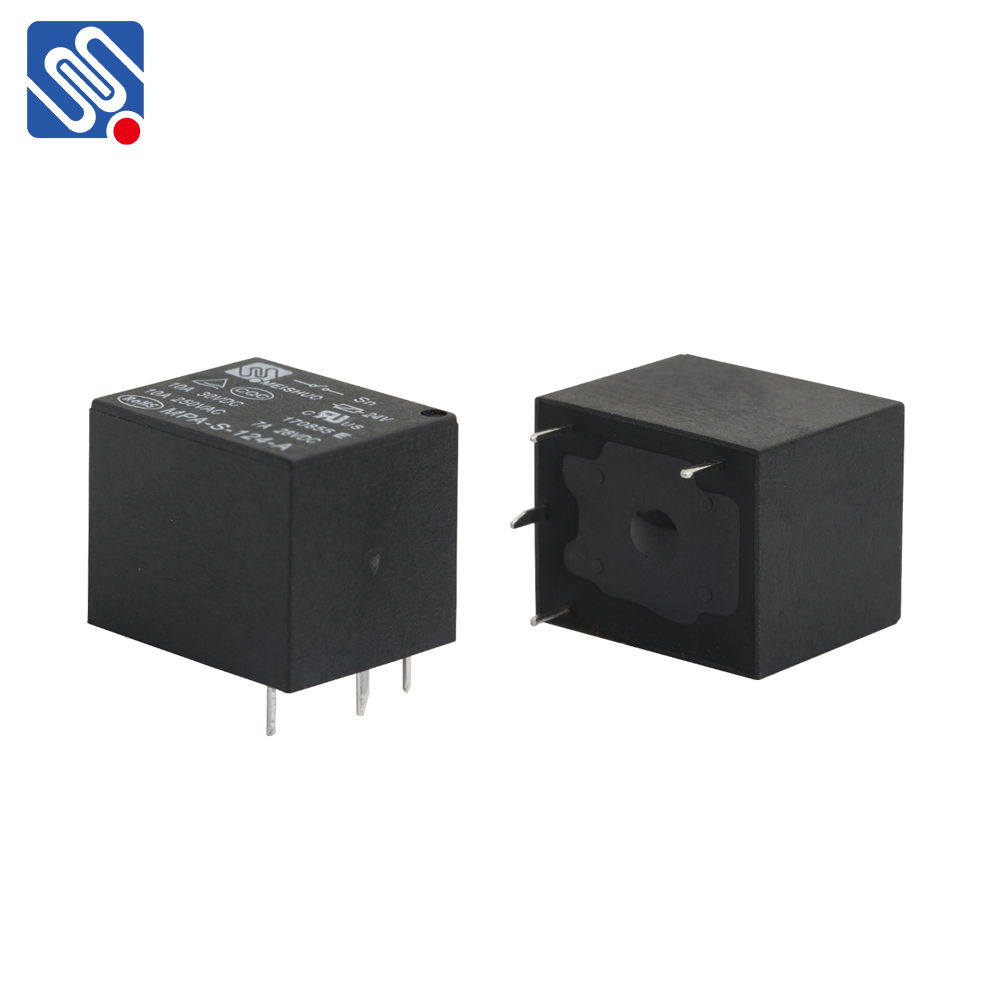
Basic Components of a Relay Circuit A typical relay consists of three main components: Electromagnetic Coil: The coil is the heart of the relay. When a current is applied to it, it generates a magnetic field that pulls the armature (a movable metal piece), causing the contacts to either close (in the case of a Normally Open, or NO, contact) or open (in the case of a Normally Closed, or NC, contact). Contacts: Relay contacts are typically made of high-conductivity materials such as silver. These contacts come in two types: Normally Open (NO): The contacts are open (disconnected) when the relay is not energized. When the relay is powered, the contacts close, allowing current to flow.