Relay assembly is a vital process in electrical engineering that enables the switching of electrical circuits using relays. These devices, which are essentially electrically operated switches, are widely used in various applications such as automation, automotive systems, industrial controls, and communication systems. Mastering relay assembly techniques is essential for building reliable, efficient, and durable electronic systems. In this article, we will explore the fundamental aspects of relay assembly, including types of relays, wiring methods, and key considerations for proper assembly.
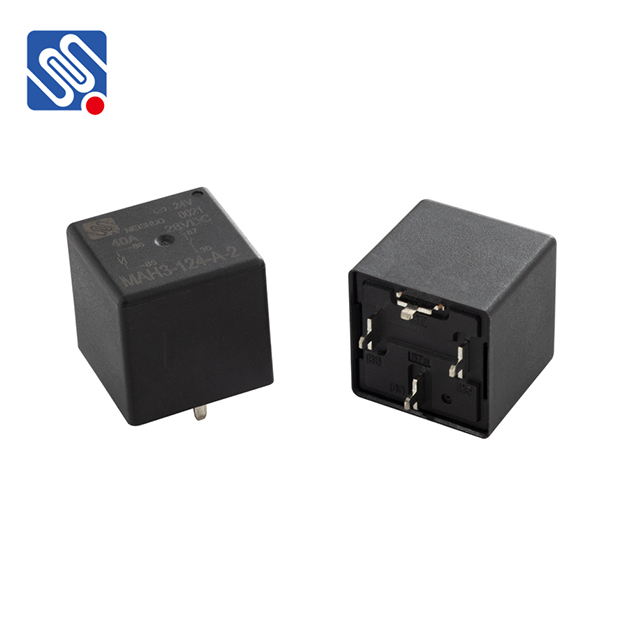
Understanding Relays and Their Types Relays are electromechanical switches that control the flow of current in a circuit. They are activated by an electrical signal sent through a coil, which generates a magnetic field that moves an internal switch. Relays come in several different types, each designed for specific applications. The most common types are: Electromagnetic Relays: These relays use an electromagnetic coil to move a mechanical switch. They are typically used in high-voltage applications where a low voltage signal needs to control a higher voltage circuit. Solid-State Relays: Unlike electromagnetic relays, solid-state relays use semiconductor devices to switch the current, eliminating the need for moving parts. These are preferred in applications where high reliability and speed are essential.