Relays are critical components in modern electrical and electronic systems, enabling the control of high-power circuits with low-power signals. Their versatility allows them to be used in a wide range of applications, from home appliances to industrial control systems. To ensure proper selection, application, and integration of relays in circuit designs, many engineers refer to Relay application notes provided by component manufacturers. These technical documents offer valuable insights into the efficient use of relays, addressing essential topics such as relay selection, operation principles, protection methods, and application scenarios. This article explores the key aspects of Relay application notes and why they are crucial for engineers.
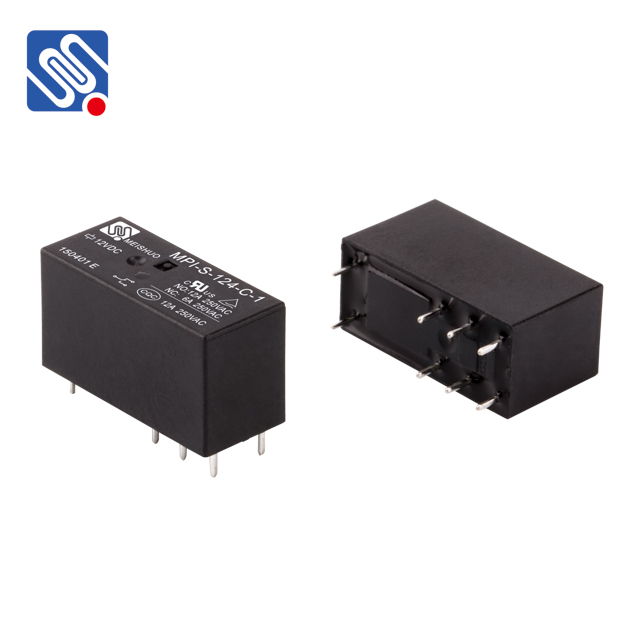
Understanding the Basics of Relays A relay is an electrically operated switch that uses an electromagnet to control the opening or closing of contacts in a separate electrical circuit. When a current flows through the coil of the relay, it generates a magnetic field that pulls a lever or armature, which then opens or closes the contacts. This simple mechanism allows relays to control high-voltage and high-current circuits while being operated by low-voltage control signals, which makes them invaluable in a variety of applications. Relay application notes typically start by explaining the working principle of relays, giving engineers an understanding of how they function within a circuit. These notes usually describe different types of relays, such as electromagnetic relays, solid-state relays, time delay relays, and reed relays. Each type of relay has specific advantages, making it suitable for particular uses. For example, solid-state relays are known for their fast switching capabilities and long operational life, while electromagnetic relays are often chosen for their reliability and cost-effectiveness.