Relays are critical components in electrical systems, used for switching and controlling circuits by opening or closing contacts in response to an input signal. Whether in industrial control systems, automotive electronics, or household appliances, relays play a vital role in ensuring efficient and reliable operation. Understanding how to select, install, and utilize relays effectively is essential for any engineer working with these components. Relay application notes provide engineers with crucial insights into the characteristics, limitations, and best practices for integrating relays into different applications.
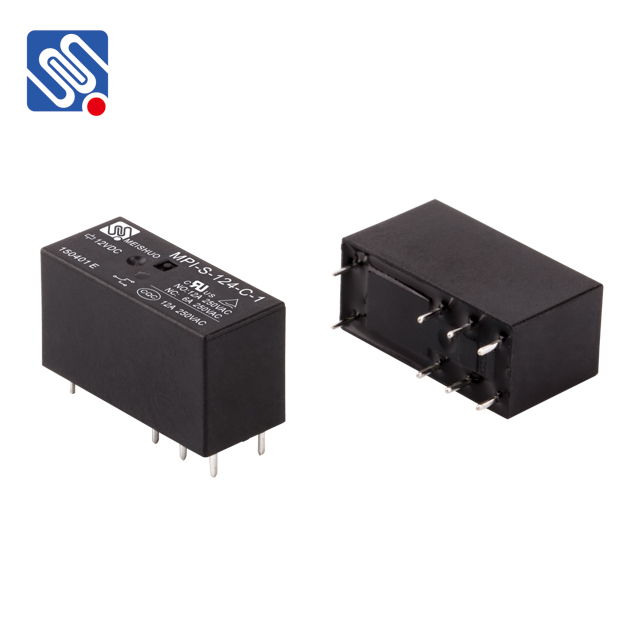
What is a Relay? At its core, a relay is an electrically operated switch that uses an electromagnet to mechanically operate contacts in a circuit. The relay is energized by a control signal, which activates the relay’s coil, creating a magnetic field that moves a switch to either make or break an electrical connection. Relays are often used to control high-power circuits with low-power signals, allowing for safe and efficient switching. Relays come in various types, including electromagnetic, solid-state, and reed relays. Each type has specific applications based on its switching capabilities, response time, and reliability. For instance, electromagnetic relays are commonly used for general switching tasks, while solid-state relays are used where faster switching speeds and longer lifespan are required.