In the realm of modern living, where comfort and sustainability go hand in hand, the advent of regulable thermostats has sparked a revolution in maintaining indoor temperatures. These innovative devices are not only changing the way we experience thermal comfort but are also significantly contributing to energy efficiency. In this article, we will delve into the concept of regulable thermostats, their benefits, and their role in creating a harmonious balance between comfort and environmental consciousness.
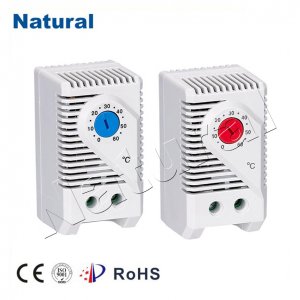
A regulable thermostat, often referred to as a smart thermostat, is a technological marvel that allows users to control the temperature of their living spaces with unprecedented precision and convenience. Unlike traditional thermostats that operate on a fixed schedule, regulable thermostats use advanced sensors and algorithms to adapt to users’ preferences and daily routines. This adaptability ensures that rooms are heated or cooled only when necessary, minimizing energy waste and reducing utility bills. One of the most remarkable features of regulable thermostats is their ability to learn from user behavior. Over time, these devices analyze patterns such as when occupants are typically at home, when they prefer warmer or cooler temperatures, and when they are away. With this knowledge, the thermostat optimizes heating and cooling cycles, maintaining a comfortable environment while conserving energy. Some models even connect to smartphones, allowing users to adjust settings remotely, ensuring comfort upon arrival without the need to keep spaces conditioned in their absence. Energy efficiency is a cornerstone of the regulable thermostat revolution. According to studies, heating and cooling account for a substantial portion of household energy consumption. Regulable thermostats address this concern by preventing unnecessary energy usage. By lowering the temperature when occupants are asleep or away, and raising it just before they return, these devices eliminate the need to maintain a constant temperature throughout the day. This practice not only reduces energy consumption but also decreases greenhouse gas emissions, contributing positively to the global effort to combat climate change. In addition to energy savings, regulable thermostats offer financial benefits. Many models provide usage reports that detail energy consumption patterns and offer insights into potential savings. By understanding how and when energy is used, users can make informed decisions to further optimize their heating and cooling systems. The initial investment in a regulable thermostat is often recouped through reduced utility bills over time, making it a financially savvy choice for homeowners and businesses alike. The convenience and control provided by regulable thermostats extend beyond mere temperature adjustment. These devices can often integrate with other smart home technologies, creating a cohesive and interconnected living environment. Imagine a home where the lights, security systems, and appliances are synchronized with the thermostat’s settings, ensuring energy isn’t wasted in unoccupied rooms. Such integration enhances both comfort and efficiency, demonstrating the versatility and potential of regulable thermostat systems. As with any technological advancement, there are considerations to keep in mind. While regulable thermostats are designed to adapt to user behavior, they require an initial setup period during which users’ preferences are learned. Additionally, for those unfamiliar with technology, the interface might pose a learning curve. Therefore, manufacturers should prioritize user-friendly designs and provide comprehensive instructions to ensure seamless integration into households. In conclusion, regulable thermostats represent a groundbreaking shift in the way we manage indoor temperatures. By learning from user behavior and adapting to daily routines, these devices maximize comfort while minimizing energy waste. Their role in promoting energy efficiency aligns with the growing global emphasis on sustainable living. As technology continues to evolve, regulable thermostats stand as a shining example of how innovation can create a more harmonious relationship between human comfort and environmental responsibility.