A PVC solenoid valve is a crucial component in fluid control systems, enabling the precise regulation of liquid or gas flow through pipelines. Made from polyvinyl chloride (PVC), these valves are commonly used in various industries such as water treatment, agriculture, and chemical processing due to their excellent corrosion resistance, lightweight properties, and cost-effectiveness. This article explores the features, benefits, and applications of PVC solenoid valves, shedding light on why they are favored in many fluid control operations.
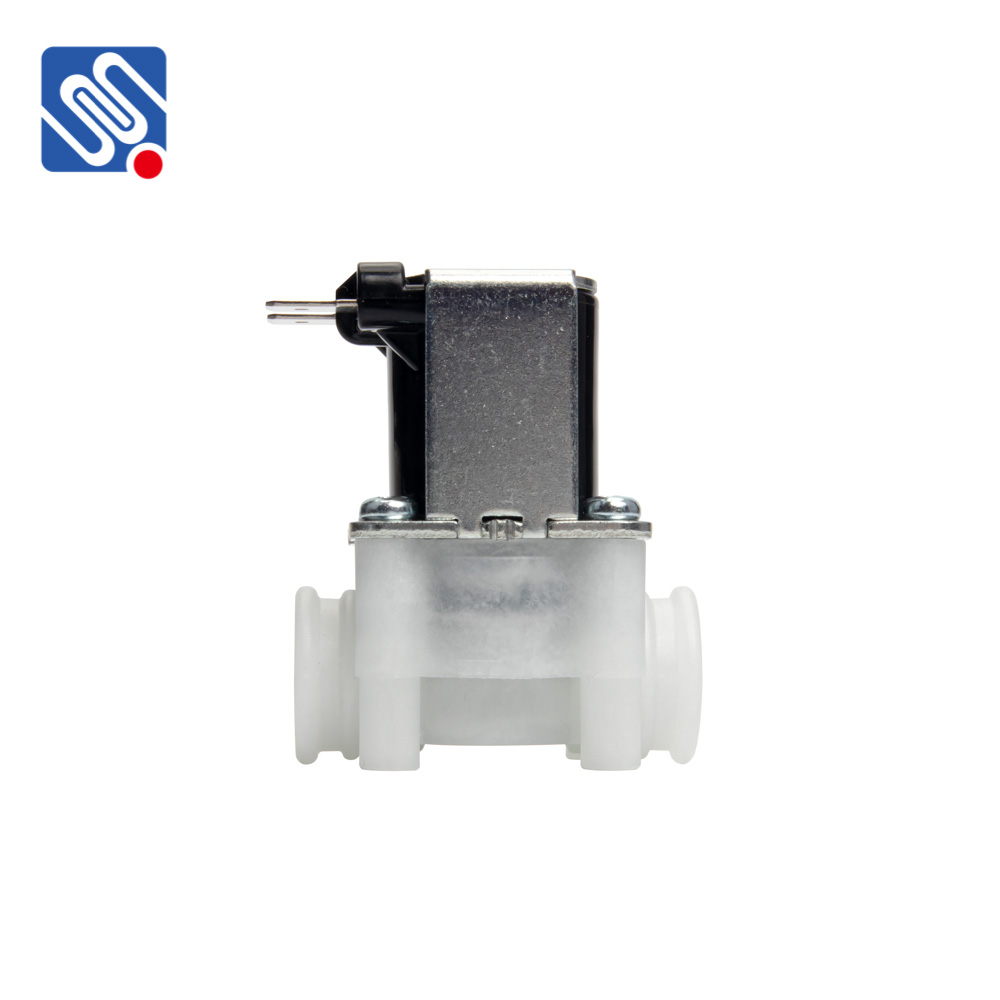
What is a PVC Solenoid Valve? A PVC solenoid valve is an electromechanical valve used to control the flow of liquids or gases in a pipe. It consists of a solenoid coil and a valve body made from PVC material. When electrical current passes through the solenoid coil, it generates a magnetic field that moves the valve’s internal components, either opening or closing the valve. The simplicity of this design allows for automated control of fluid flow, making it ideal for systems that require precision and reliability. The PVC material used in the valve body offers several advantages over traditional metal valves. PVC is durable, resistant to corrosion, and lightweight, making it an excellent choice for handling a wide range of fluids, including water, mild acids, and some chemicals.