Introduction
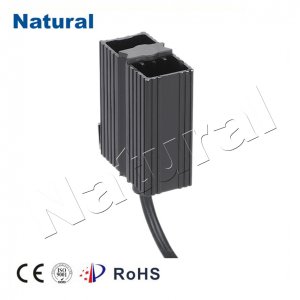
In the world of modern heating technology, PTC (Positive Temperature Coefficient) heater elements have emerged as a revolutionary solution. These remarkable components are changing the way we heat our spaces and appliances, offering enhanced efficiency, safety, and versatility. In this article, we will delve into the fascinating realm of PTC heater elements, exploring their working principle, advantages, applications, and the impact they are making on various industries. The Working Principle PTC heater elements function on a unique principle that sets them apart from traditional heating methods. Unlike conventional heating elements, which rely on constant resistance, PTC elements exhibit a positive temperature coefficient. This means that as their temperature rises, their resistance increases, leading to a self-regulating heating process. When the PTC element is initially powered on, its low resistance allows for a high current to flow through, rapidly increasing its temperature. As the temperature climbs, the resistance grows, naturally limiting the current and stabilizing the element’s temperature. Advantages of PTC Heater Elements Efficiency:PTC heater elements are incredibly efficient due to their self-regulating nature. They prevent overheating by reducing power consumption as the desired temperature is reached, making them energy-saving options for various applications. Safety:The self-regulating feature of PTC heater elements eliminates the risk of overheating, making them inherently safer than traditional heating elements. This characteristic is especially crucial in appliances used around flammable materials or in environments with strict safety requirements. Durability:PTC elements have a longer lifespan compared to traditional heating elements. The absence of thermal stress during the self-regulation process reduces wear and tear, ensuring extended operational life. Even Heating:PTC heater elements distribute heat more evenly across surfaces, eliminating hotspots and providing consistent warmth. This property makes them ideal for applications where uniform heating is essential. Applications The versatility of PTC heater elements has led to their adoption across various industries: Home Appliances:PTC elements are used in water heaters, room heaters, and air conditioners. Their energy efficiency and safety features make them a preferred choice for modern household heating appliances. Automotive:PTC elements are employed in car seat heaters, defrosting systems, and cabin heaters. Their rapid heating and self-regulation ensure optimal comfort and safety during cold weather. Industrial Processes:PTC heater elements find use in industrial ovens, drying equipment, and heated presses. Their ability to provide controlled and even heating improves production processes and product quality. Medical Devices:PTC elements are utilized in medical equipment such as blood analyzers and IV fluid warmers. Their precise temperature control and reliability contribute to accurate diagnostic results and patient care. Consumer Electronics:PTC elements are integrated into hair dryers, coffee makers, and irons. Their quick heating and energy efficiency enhance the performance of these devices. Impact on Industries The integration of PTC heater elements has brought about significant positive changes in various industries. Their energy efficiency helps reduce carbon footprints, aligning with global efforts toward sustainability. Moreover, the enhanced safety features of PTC elements have led to the development of safer appliances, reducing the risk of accidents and property damage. Conclusion In the realm of heating technology, PTC heater elements have proven themselves to be game-changers. Their unique working principle, combined with advantages like efficiency, safety, and versatility, has led to their widespread adoption across diverse applications. As industries continue to evolve, PTC elements are sure to play an integral role in shaping the future of heating technology, making our lives more comfortable, efficient, and secure.