In industries where machinery and electrical systems are frequently serviced or maintained, worker safety is a top priority. To protect employees from accidental injuries due to unexpected energy release, lockout/tagout (LOTO) procedures are strictly enforced. A key component of these procedures is the lockout hasp, a device that allows multiple workers to apply their own locks to the same machine, ensuring that it remains securely isolated during maintenance. Professional Lockout Hasps manufacturers play a crucial role in providing high-quality lockout devices that ensure compliance with safety standards and help prevent workplace accidents.
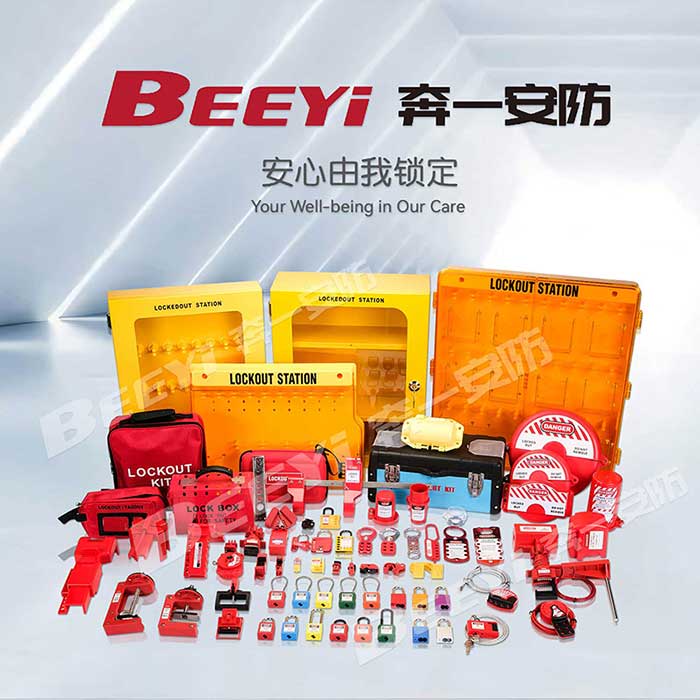
The Importance of Lockout Hasps in Industrial Safety Lockout Hasps are designed to secure energy-isolating devices such as circuit breakers, valves, or machinery switches, preventing them from being accidentally operated while maintenance work is being carried out. These devices allow for the application of multiple locks, giving each authorized employee working on the system the ability to secure the equipment. This provides a clear indication that work is being conducted, and no one can accidentally restart the machinery until all workers have removed their locks. The Occupational Safety and Health Administration (OSHA) regulations in the United States emphasize the importance of using lockout/tagout devices to protect workers from hazardous energy sources. Lockout hasps are an essential part of these procedures because they ensure that equipment cannot be operated while maintenance is being performed, reducing the risk of electrocution, burns, mechanical injuries, or other accidents that could result from sudden equipment startup.