In the realm of power electronics, particularly in high-voltage systems like electric vehicles (EVs) and industrial energy storage, safety and reliability are paramount. One critical component that ensures the smooth operation of such systems is the Precharge Relay. This device plays a crucial role in managing the initial power connection, ensuring that voltage differences do not cause harmful spikes or damage to sensitive electrical components. In this article, we will explore the function, working principle, and applications of Precharge Relays, highlighting their importance in modern electrical systems.
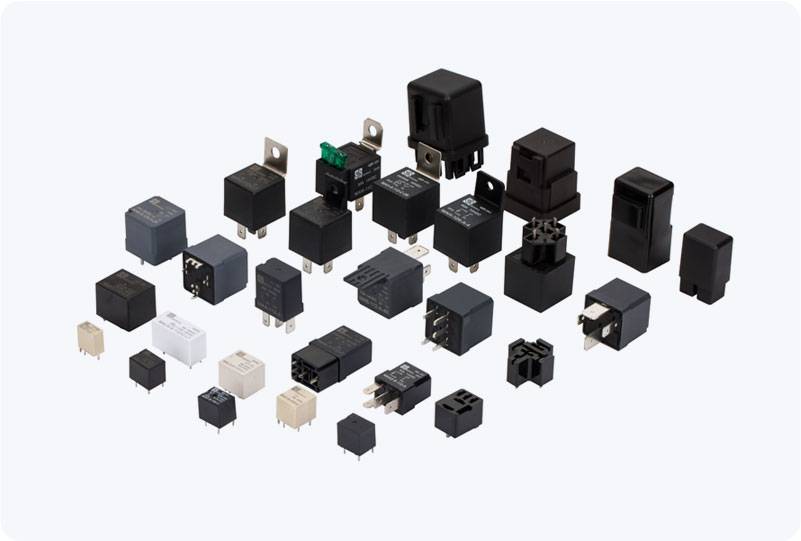
What is a Precharge Relay? A Precharge Relay is an electrical relay used primarily in systems where high-voltage capacitors, batteries, or other energy storage components are involved. Its main function is to control the current flow when connecting the power source to the system, ensuring that the components charge gradually rather than instantaneously. This gradual charging process helps to prevent excessive current surges, which could potentially harm both the power source and the electrical components of the system. How Does a Precharge Relay Work? At its core, the precharge relay works by initially limiting the current that flows into the system. This process ensures that when the system is powered on, there is no sudden spike in current that could damage sensitive components such as capacitors, battery management systems (BMS), or power converters.