Power Distribution Units (PDUs) play a crucial role in efficiently managing electrical power distribution within various environments. From data centers to commercial buildings, PDUs serve as essential components to ensure reliable and safe power distribution. In this article, we will explore the significance of PDUs, their types, and their contributions to enhancing electrical management.
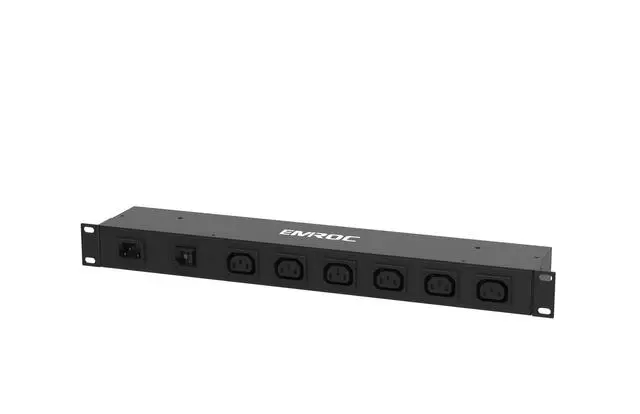
Understanding PDUs A Power Distribution Unit (PDU) is an electrical device designed to distribute power to multiple devices from a single source. It acts as an intermediary between the main power source and the various devices that require electricity. PDUs come in various sizes and configurations, ranging from basic models to highly advanced units with remote monitoring and management capabilities. Types of PDUs PDUs are categorized based on their functionalities and features. The two primary categories are basic PDUs and intelligent PDUs. Basic PDUs: These are straightforward units that provide basic power distribution without any advanced features. They typically include multiple outlets or receptacles to connect devices. Basic PDUs are cost-effective solutions for environments where remote monitoring and control are not necessary. Intelligent PDUs: Also known as smart PDUs, these units offer advanced features such as remote monitoring, power consumption tracking, and outlet-level control. Intelligent PDUs are ideal for data centers and critical environments where efficient power management is crucial. They provide valuable insights into power usage and enable administrators to proactively manage power distribution. Benefits of Using PDUs Efficient Resource Allocation: PDUs allow for efficient allocation of power resources. In data centers, where multiple servers and networking equipment require power, PDUs help prevent overloading and ensure each device receives the necessary power without compromising the overall system. Remote Monitoring and Management: Intelligent PDUs enable remote monitoring of power consumption, voltage, and current. This capability is particularly valuable for data centers with a large number of devices spread across various locations. Administrators can monitor and adjust power distribution settings without physically accessing the equipment. Enhanced Safety: PDUs contribute to electrical safety by preventing overloads and short circuits. Modern PDUs are equipped with circuit breakers and surge protection mechanisms that safeguard connected devices from electrical faults. Reduced Downtime: With the ability to monitor power usage and receive alerts in real-time, administrators can take proactive measures to address potential issues. This helps minimize downtime caused by power-related problems and improves overall system reliability. Scalability: As businesses grow and add more devices to their infrastructure, PDUs provide a scalable solution for expanding power distribution. They can accommodate additional devices while maintaining efficient power management practices. Energy Efficiency: Intelligent PDUs enable monitoring of power consumption at the outlet level. This information allows organizations to identify energy-intensive devices and implement strategies to optimize energy usage, leading to cost savings and reduced environmental impact. Conclusion Power Distribution Units (PDUs) serve as indispensable tools in managing electrical power distribution across various settings. From basic units to intelligent models with advanced monitoring capabilities, PDUs offer benefits such as efficient resource allocation, remote management, enhanced safety, reduced downtime, scalability, and energy efficiency. As technology continues to advance, PDUs will likely play an even more critical role in optimizing power distribution and contributing to sustainable practices.