In the ever-evolving landscape of technology and connectivity, the role of Power Distribution Units (PDUs) has become paramount in ensuring the smooth operation of various electronic devices and systems. As our reliance on technology continues to grow, PDUs have emerged as essential components that facilitate efficient energy distribution, enhance power management, and contribute to overall sustainability.
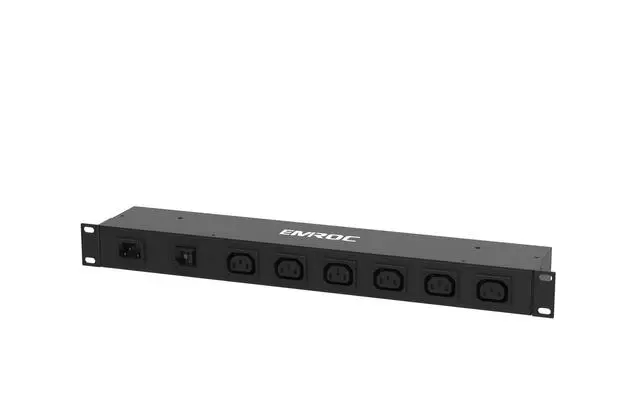
Understanding PDUs: A Power Distribution Unit (PDU) is a device designed to distribute electric power to multiple devices within a data center, office space, or any environment requiring numerous electronic connections. PDUs are like traffic controllers for electricity, ensuring that power is allocated effectively and safely to devices such as servers, networking equipment, and other critical components. Streamlining Energy Distribution: One of the primary functions of a PDU is to provide a centralized point for connecting various devices to the main power source. By doing so, PDUs simplify the setup and maintenance of electronic systems. Imagine the chaos of managing multiple power cords without a PDU – not only would it be inefficient, but it could also lead to safety hazards. PDUs eliminate this clutter, offering a clean and organized solution for energy distribution. Enhancing Power Management: Modern PDUs are equipped with advanced features that go beyond basic power distribution. Intelligent PDUs, for instance, provide real-time monitoring of power consumption, temperature, and humidity. This data enables administrators to make informed decisions regarding energy usage, optimize system performance, and prevent potential failures due to overloading or overheating. Remote management capabilities also allow for power cycling of individual outlets, ensuring maximum uptime without physical intervention. Ensuring Reliability and Redundancy: Data centers and critical operations require a high level of redundancy to minimize downtime. High-quality PDUs offer features such as dual power inputs and automatic failover mechanisms. In the event of a power source failure, the PDU seamlessly switches to the backup power supply, safeguarding operations without interruption. This level of reliability is crucial for industries that cannot afford even a moment of downtime. Promoting Sustainability: With growing concerns about energy consumption and environmental impact, PDUs play a role in promoting sustainability. By accurately measuring power usage and providing insights into energy patterns, organizations can identify areas for improvement and implement energy-efficient strategies. Additionally, some PDUs are designed to minimize energy waste by allowing administrators to set thresholds for power consumption and receive alerts when usage surpasses these limits. Future Innovations: As technology continues to evolve, so do PDUs. The integration of Internet of Things (IoT) capabilities enables PDUs to communicate with other devices and systems, creating a more interconnected and automated environment. Predictive analytics and machine learning could be harnessed to anticipate power fluctuations and proactively manage energy distribution, further enhancing efficiency and reliability. Conclusion: Power Distribution Units have evolved from basic energy distributors to intelligent, integral components in modern technology infrastructure. Their role in streamlining energy distribution, enhancing power management, ensuring reliability, and promoting sustainability cannot be understated. As the digital landscape continues to expand, PDUs will remain crucial in maintaining the efficiency and effectiveness of the systems they power, enabling us to navigate the challenges of the future with confidence.