Power distribution systems are the backbone of electrical networks, ensuring that electricity is reliably delivered to homes, businesses, and industries. Within these systems, the Power Distribution Relay (PDR) plays a crucial role in maintaining the safety and efficiency of electrical grids. These relays are designed to protect, control, and monitor electrical circuits, offering an added layer of security to prevent equipment damage and ensure the uninterrupted supply of power. In this article, we explore the working principles, applications, and importance of Power Distribution Relays in modern electrical systems.
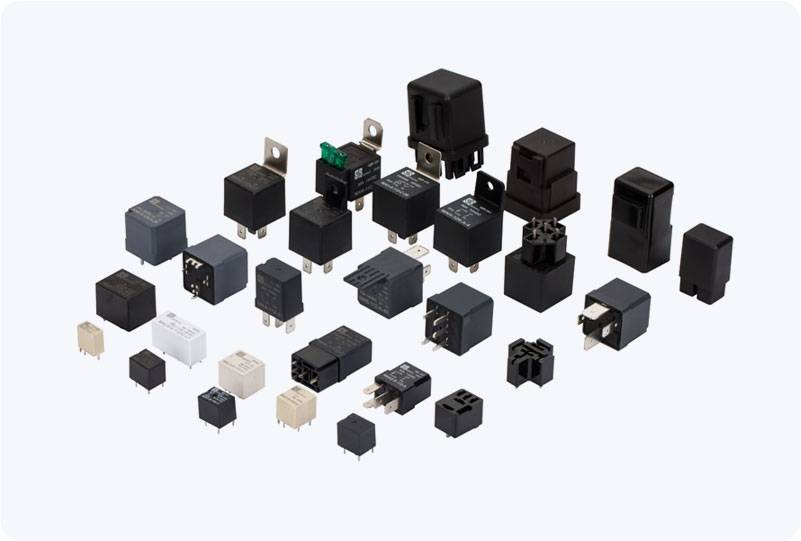
What is a Power Distribution Relay? A Power Distribution Relay is an electrical protection device used in high-voltage and medium-voltage distribution networks to monitor various electrical parameters such as current, voltage, frequency, and phase angle. The main objective of these relays is to detect abnormalities in the system and trigger protective actions, such as disconnecting faulty circuits, to safeguard electrical equipment and prevent widespread power outages. These relays act as the first line of defense against faults in the power distribution network. By detecting issues like short circuits, overloads, voltage surges, and under-voltage conditions, Power Distribution Relays ensure that the electrical grid operates within safe limits.