Power Distribution Relays (PDR) play a pivotal role in ensuring the safety, reliability, and efficiency of modern electrical distribution systems. They are integral components of the electrical grid, designed to protect both equipment and personnel from electrical faults such as overloads, short circuits, and ground faults. This article delves into the importance, operation, and applications of Power Distribution Relays, highlighting their significance in maintaining stable electrical power flow.
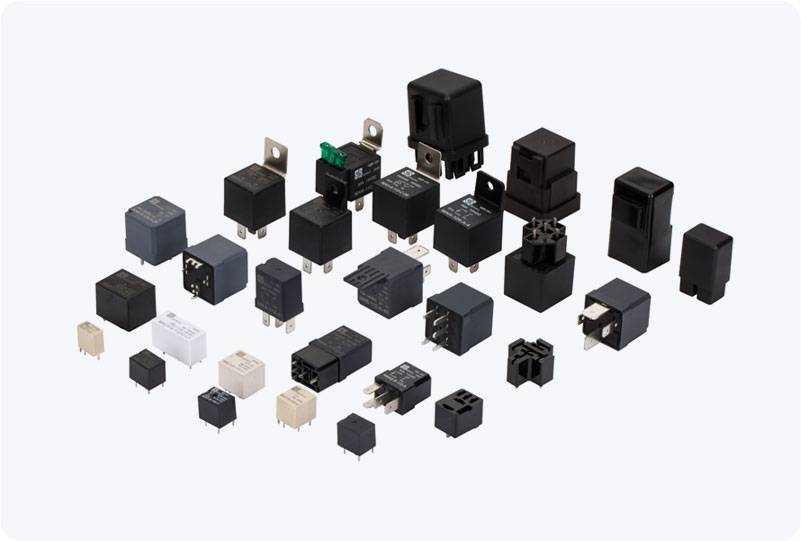
The Role of Power Distribution Relays in Electrical Systems A Power Distribution Relay is essentially an electrical device used to detect faults in a power distribution system and automatically trigger the disconnection of faulty sections. By doing so, it prevents further damage to the electrical equipment and minimizes the risk of fires, electric shocks, or other dangerous situations. In essence, these relays act as guardians, continuously monitoring electrical parameters to ensure everything runs smoothly. Electrical distribution systems, especially in industrial and commercial environments, are complex and involve numerous interconnected components. A fault in any part of this system, if left unchecked, could lead to widespread damage, equipment failure, or even power outages. This is where Power Distribution Relays come in: they are programmed to detect anomalies in voltage, current, frequency, and other key parameters, automatically responding to prevent catastrophic failures.