A Power Distribution Relay is a critical component in the modern electrical power system, safeguarding equipment, ensuring reliability, and minimizing the risks associated with electrical faults. In essence, it is a protective device that monitors and controls the distribution of electrical power across networks, providing essential functions such as overload protection, fault detection, and emergency shutdowns. This article will explore the functions, applications, and technological advancements in power distribution relays, shedding light on their indispensable role in maintaining the stability of electrical grids.
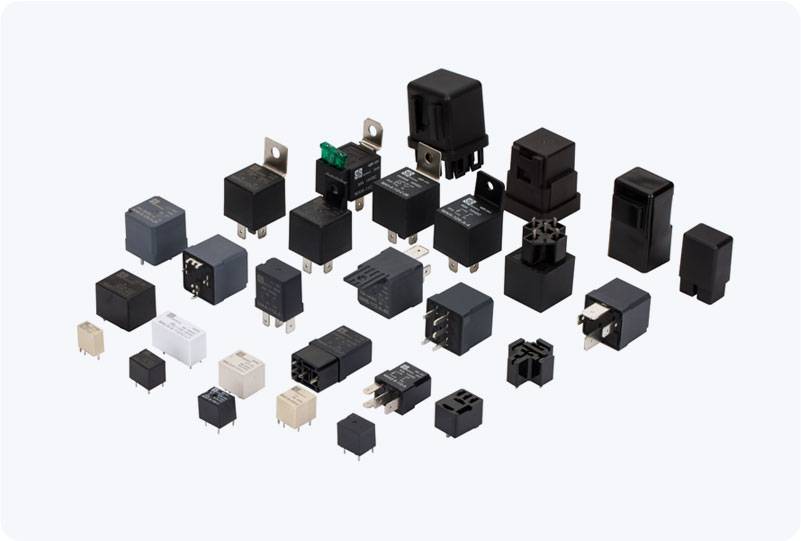
The Role of Power Distribution Relays Power distribution relays act as the first line of defense in electrical power systems. They are designed to detect abnormalities in electrical circuits, such as overloads, short circuits, and voltage imbalances, and to take necessary corrective actions. These relays are programmed to react swiftly to abnormal conditions, isolating faulty circuits or disconnecting the affected load to prevent damage to the system. One of the primary functions of these relays is overload protection. Electrical systems are designed to carry a specific load, and if this load is exceeded, it can lead to overheating and equipment failure. The power distribution relay constantly monitors the current flowing through the system, and if the current exceeds a set threshold, the relay trips, cutting off the electrical supply to the affected area. This function is crucial to protecting electrical equipment from severe damage.