Pneumatic systems are widely used in industrial environments due to their efficiency and reliability. From automated production lines to heavy machinery, compressed air plays a crucial role in driving various processes. However, working with pneumatic systems also introduces certain risks, particularly when maintenance or repair work is required. To mitigate these risks, pneumatic lockouts have become a key safety tool. This article explores the importance of pneumatic lockouts, the role of technical support in ensuring their effectiveness, and how to maintain and troubleshoot them for optimal safety.
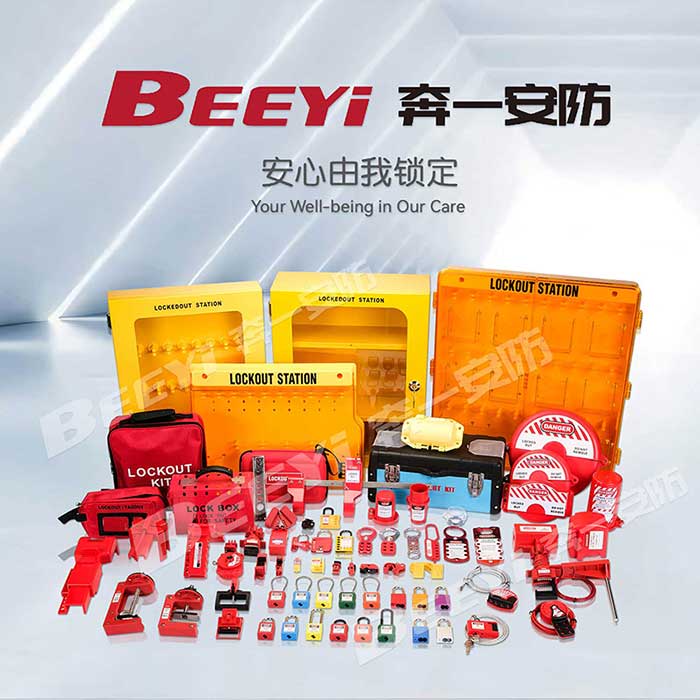
What are Pneumatic Lockouts? A pneumatic lockout is a safety device designed to prevent the unintended release of pressurized air or gas within pneumatic systems. These lockouts are typically applied to valves or air supply lines during maintenance work, ensuring that pressurization does not occur accidentally while workers are exposed to the system. By locking the valves in the “off” position, pneumatic lockouts ensure that no air is released until the lockout device is safely removed.
Lockout devices are an essential part of any safety program, and they are often required by safety regulations such as OSHA (Occupational Safety and Health Administration) in the U.S. The devices are simple to use but critical in preventing accidents, which could lead to injuries or fatalities if equipment were to unexpectedly activate during maintenance.