Pneumatic systems are crucial in many industrial and manufacturing settings, providing power to a wide variety of machines and processes. However, these systems can pose significant safety risks if proper precautions are not taken during maintenance or servicing. One of the most effective ways to ensure the safety of workers handling pneumatic equipment is through the use of pneumatic lockouts. These devices prevent accidental releases of compressed air, effectively isolating the system from its energy source. In this guide, we’ll walk you through the steps of installing pneumatic lockouts, ensuring a safer work environment for all personnel involved.
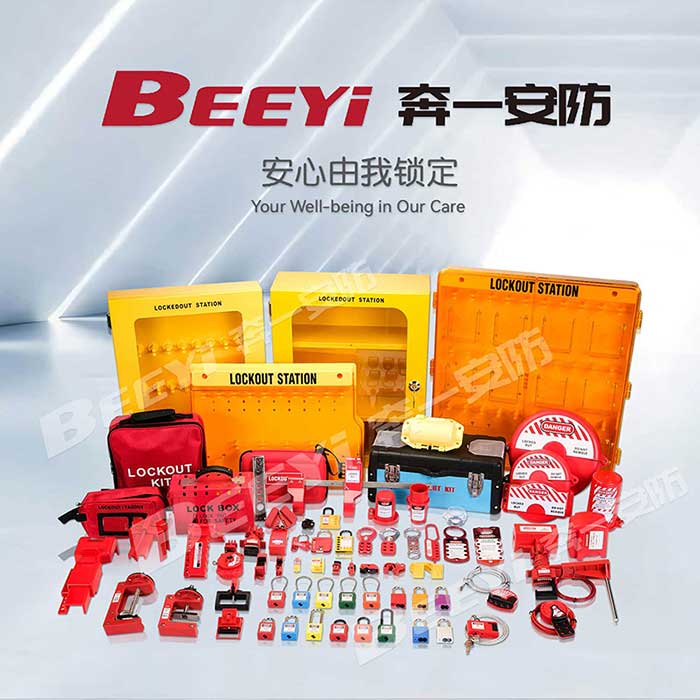
Understanding Pneumatic Lockouts A pneumatic lockout is a safety device designed to lock and secure valves, switches, and controls in pneumatic systems, preventing accidental activation or release of pressure during maintenance. The lockout is placed over the valve or control mechanism and is secured with a lock, making it impossible to operate the system until the lock is removed. This ensures that workers can perform maintenance tasks safely, without the risk of pneumatic pressure being released unexpectedly. Why are Pneumatic Lockouts Important? Pneumatic systems typically operate under high pressure, and a sudden release of this pressure can lead to severe injuries, including lacerations, fractures, or even fatalities. Pneumatic lockouts are vital components of a comprehensive safety program because they ensure that all pneumatic systems are securely de-energized before maintenance begins. By locking out these systems, you prevent unintended activation, providing a controlled and safe environment for maintenance workers.