Pneumatic systems are widely used in various industries for controlling machinery, tools, and processes. However, as with any pressurized system, there are potential safety hazards when it comes to maintenance and servicing. One of the most effective ways to prevent accidents and ensure worker safety is through the use of pneumatic lockouts. These devices are designed to isolate pneumatic energy sources during maintenance, preventing unintentional release of pressure that could cause injuries. In this guide, we will walk you through the steps involved in the proper installation of pneumatic lockouts to enhance safety in your workplace.
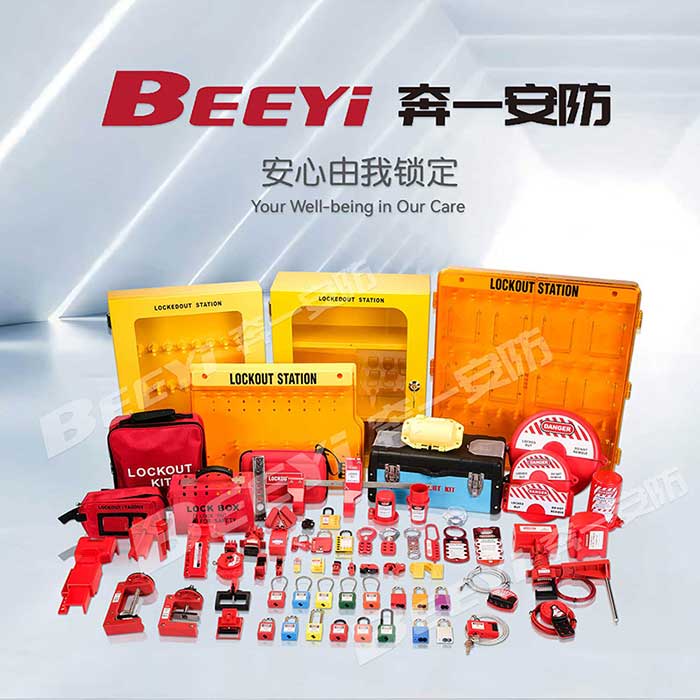
Understanding Pneumatic Lockouts Pneumatic lockouts are safety devices that prevent the accidental release of pressurized air or gas during maintenance activities. When properly installed, they ensure that valves or air supply lines are securely isolated and cannot be operated while the system is being serviced. These lockouts are especially critical in environments where multiple workers might be involved in maintenance tasks, ensuring that only authorized personnel can access or operate the equipment. Choosing the Right Pneumatic Lockout Device Before installing a pneumatic lockout, it is essential to choose the correct type of lockout device that is compatible with your specific system. There are various lockouts designed for different components of pneumatic systems, such as: