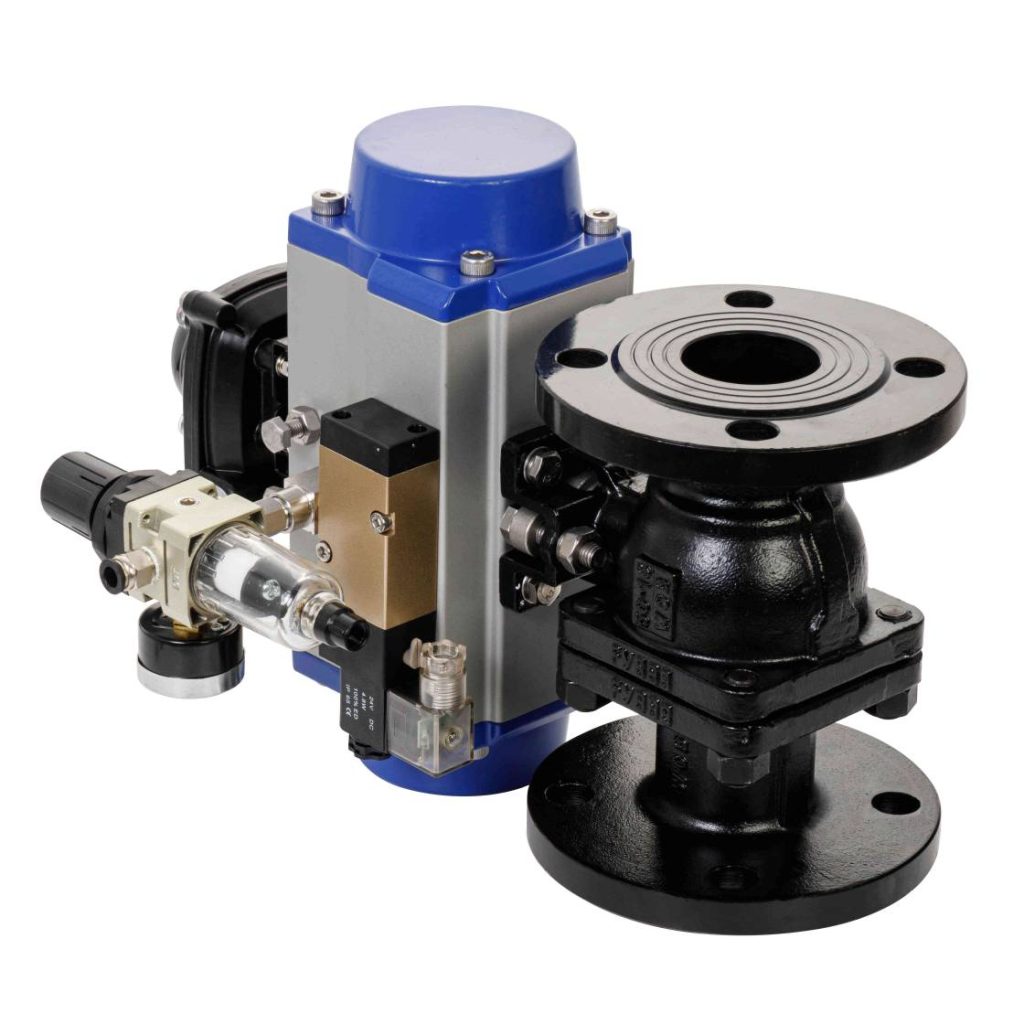
Pneumatic ball valves are essential components in various industrial processes, known for their high efficiency and reliability in controlling fluid flow. These valves combine the simplicity of ball valve technology with the power of pneumatic automation, making them indispensable in industries like oil and gas, water treatment, pharmaceuticals, and many others. In this article, we will explore the structure, working principle, advantages, and applications of pneumatic ball valves.
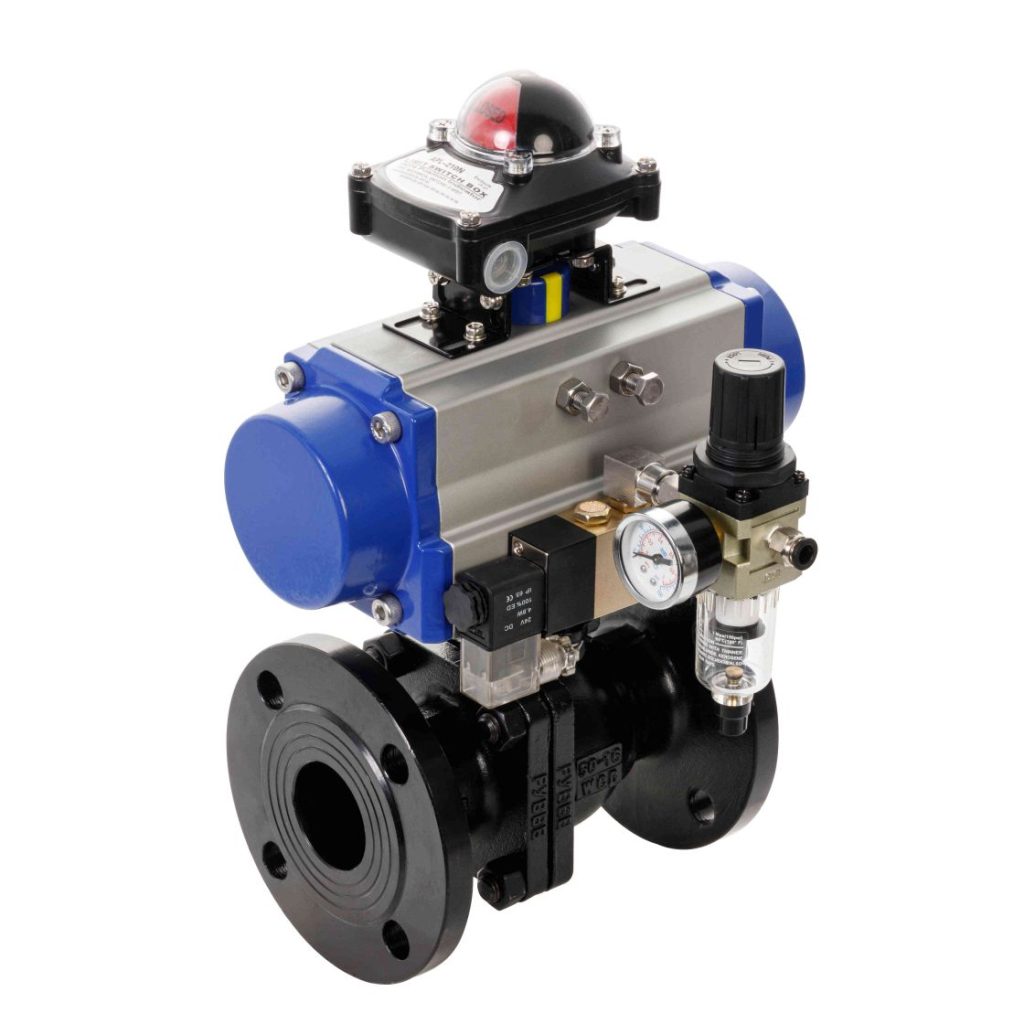
1. What is a Pneumatic Ball Valve?
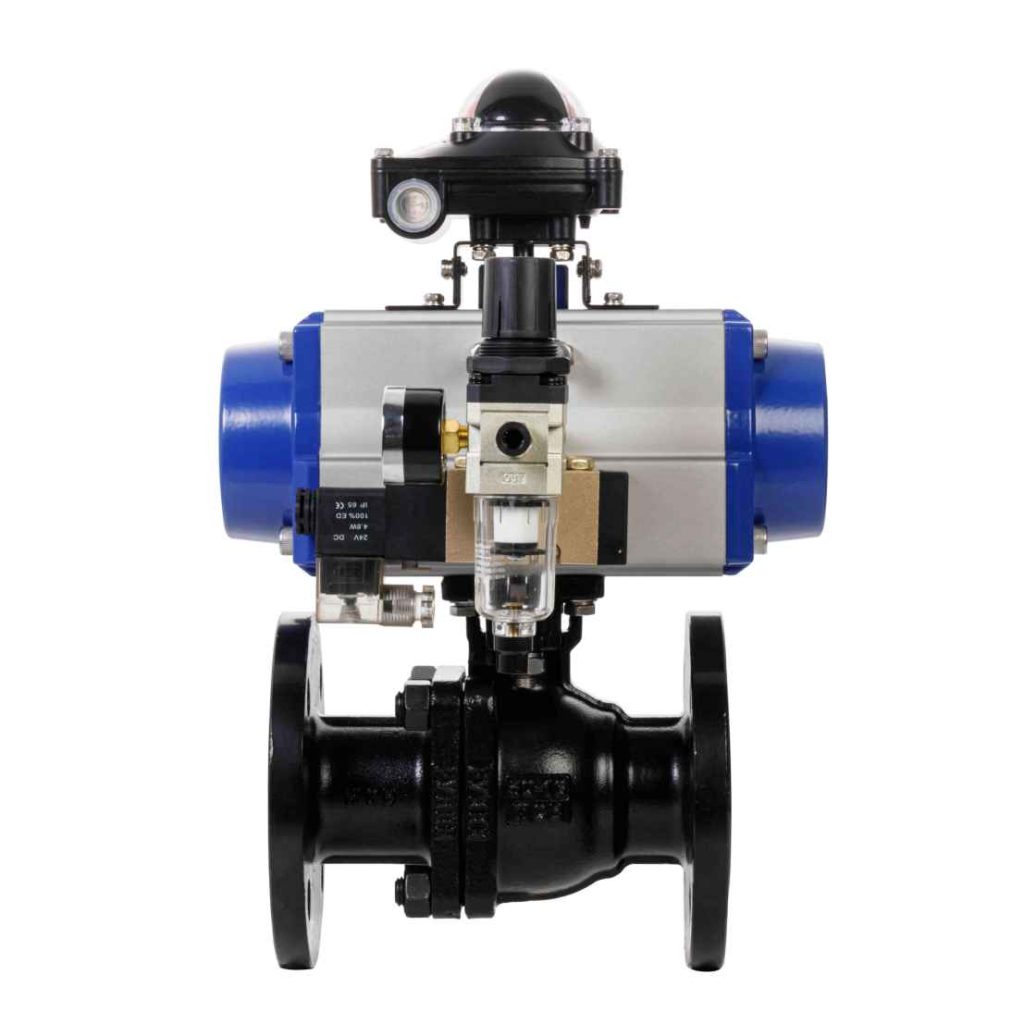
A pneumatic ball valve is a type of valve that uses a pneumatic actuator to control the opening and closing of a ball valve. The ball valve has a hollow, perforated, and pivoting ball inside the valve body. When the valve handle is rotated, the ball rotates to either allow or block the flow of fluid. In the case of a pneumatic ball valve, the ball’s movement is controlled by a pneumatic actuator, which is powered by compressed air. The main function of a pneumatic ball valve is to regulate the flow of fluids (liquids or gases) within a pipeline. It provides a quick, efficient, and reliable way to shut off or start the flow of fluid in response to external control signals, such as from a remote operator or an automated system.