Plastic water solenoid valves are essential components used in various water control applications, particularly in systems requiring automated flow regulation. These valves combine the power of electrical control with the durability and versatility of plastic materials, providing a reliable and cost-effective solution for managing water flow in diverse industries and residential settings. This article delves into the functions, advantages, applications, and working principles of plastic water solenoid valves, highlighting their importance in modern water management systems.
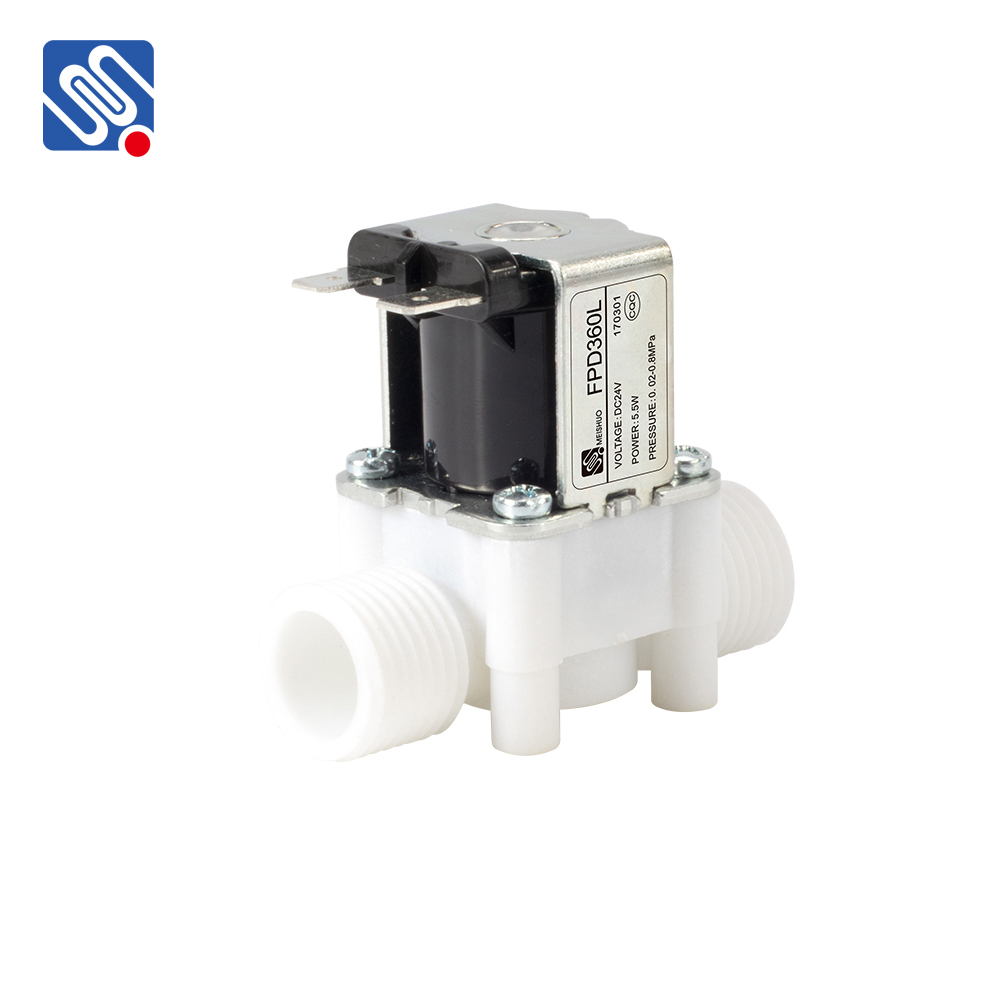
What is a Plastic Water Solenoid Valve? A plastic water solenoid valve is an electrically controlled valve used to regulate water flow in piping systems. The valve’s primary function is to open or close the water flow path based on an electrical signal, typically from a control system or a timer. The valve is made from various types of plastic, such as PVC, nylon, or polypropylene, which gives it several advantages over traditional metal valves, particularly in terms of corrosion resistance and lightweight construction. The valve consists of two main parts: the solenoid coil and the valve body. When electricity flows through the solenoid coil, it generates a magnetic field that moves a plunger or piston, opening or closing the valve. In the absence of electrical power, the valve generally remains in a closed position, ensuring no water can flow through the system.