Plastic valves have become essential components in water systems due to their unique properties and advantages. As industries and municipalities seek efficient, reliable, and cost-effective solutions for water management, plastic valves have emerged as a preferred choice. This article will explore the various types of plastic valves used in water systems, their benefits, applications, and considerations for installation and maintenance.
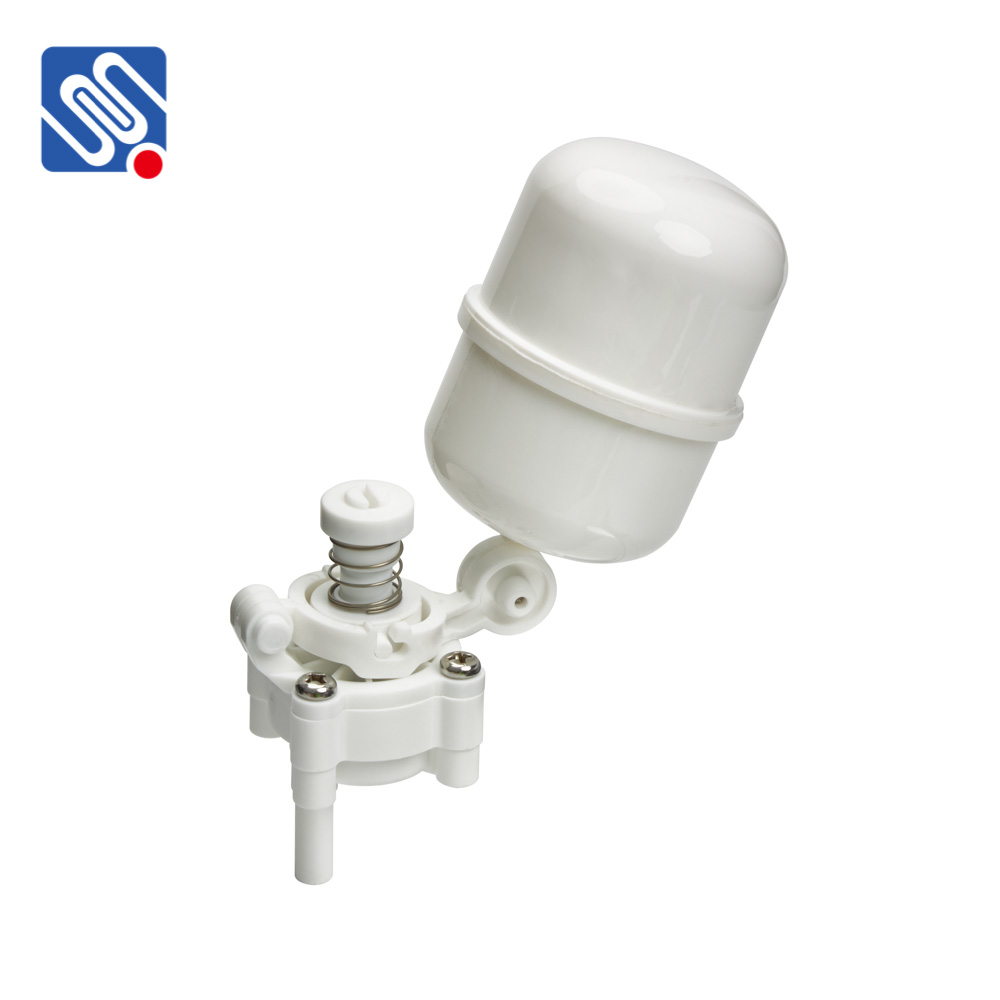
Understanding Plastic Valves Plastic valves are primarily made from materials such as polyvinyl chloride (PVC), polypropylene (PP), and polyethylene (PE). These materials offer a lightweight alternative to traditional metal valves, ensuring ease of installation and transportation. The versatility of plastic also allows for a broad range of designs, making them suitable for various applications, from residential plumbing to large-scale water treatment plants. Types of Plastic Valves Ball Valves: Ball valves feature a spherical ball with a hole that rotates to control the flow of water. These valves are prized for their durability and excellent sealing capabilities. They are ideal for applications requiring quick shut-off, offering minimal resistance when fully open.
Leave a Reply