In the world of electronics, reliable and efficient switching components are essential for ensuring the proper functioning of devices. One such crucial component is the PCB electromagnetic relay. This small yet powerful device plays a vital role in controlling electrical circuits, allowing for precise and automated switching. Widely used in various applications, including automation, telecommunications, and household appliances, the PCB electromagnetic relay is indispensable in the modern electronics landscape.
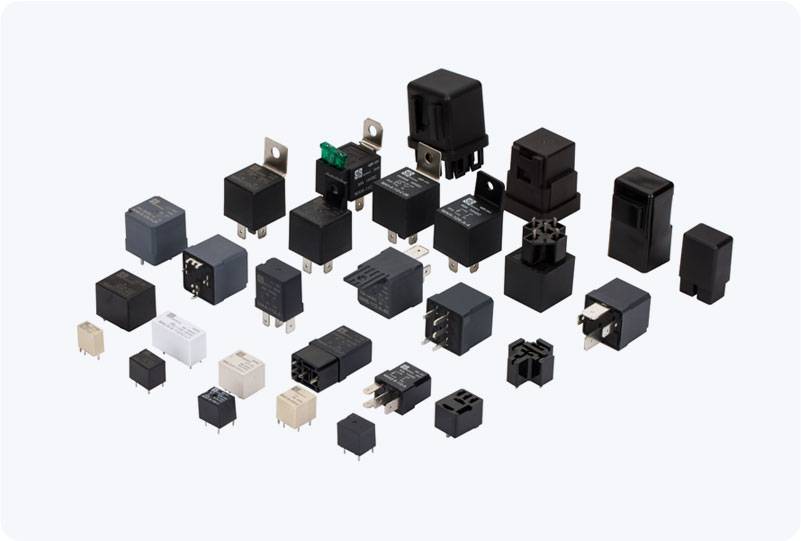
Understanding the PCB Electromagnetic Relay A PCB electromagnetic relay is an electromechanical device designed to control the flow of electricity in a circuit. It operates on the principle of electromagnetic induction, where a coil generates a magnetic field when an electric current passes through it. This magnetic field attracts or repels a movable iron core, which in turn activates or deactivates electrical contacts, thereby opening or closing the circuit. What sets the PCB electromagnetic relay apart from its counterparts is its ability to be directly mounted onto a printed circuit board (PCB). This makes it particularly suitable for compact electronic designs, where space efficiency is crucial. The integration of relays onto PCBs simplifies the assembly process and minimizes the need for external wiring, contributing to a more streamlined and reliable system.