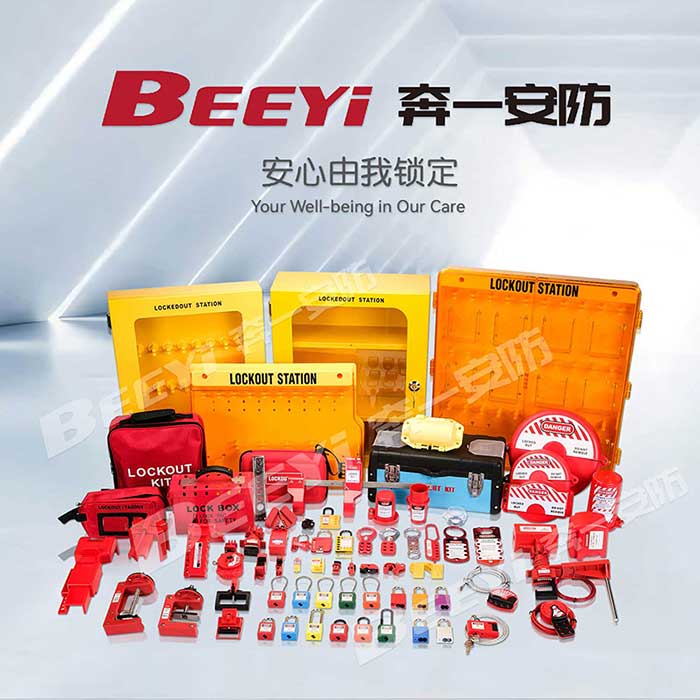
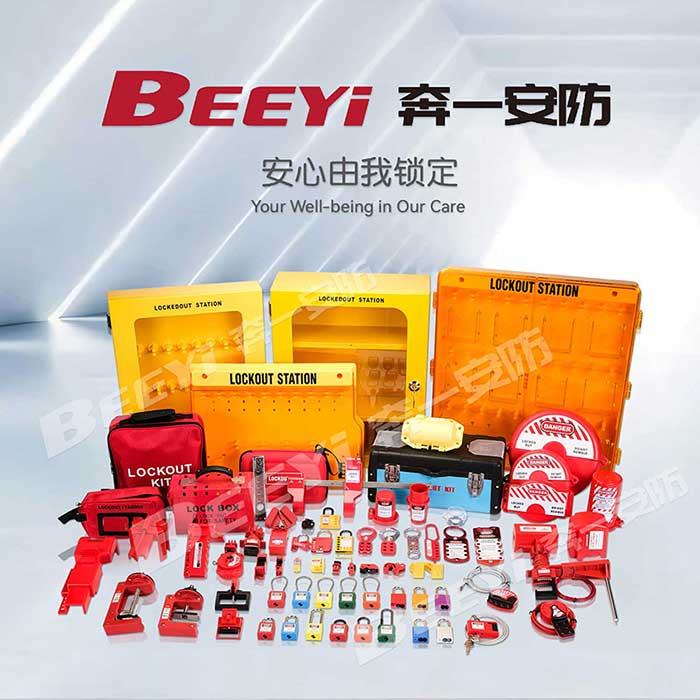
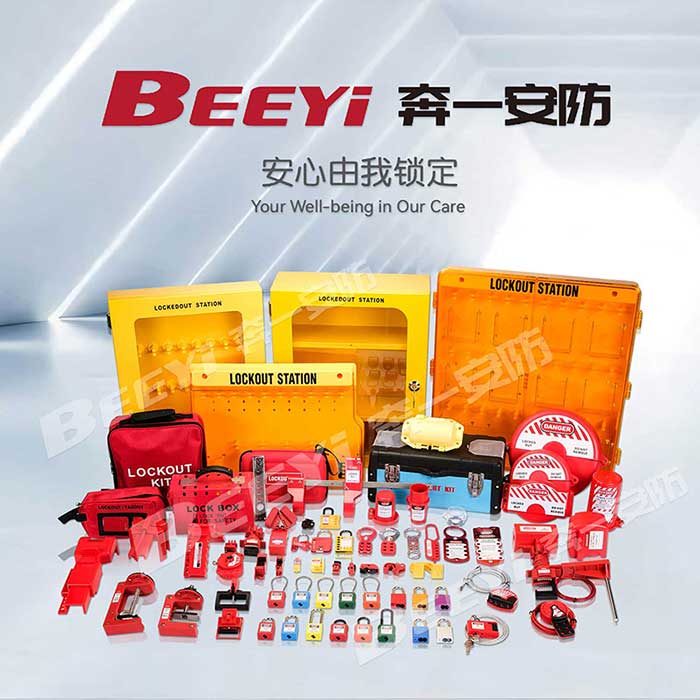
In the construction industry, safety is paramount. One of the most effective ways to ensure safety during maintenance and repair work is through the use of lockout/tagout (LOTO) procedures. These procedures are designed to prevent the accidental release of hazardous energy, which could lead to severe injuries or even fatalities. One of the essential tools used in lockout/tagout processes is the Scaffolding Lockout Tags, which are increasingly available through private labels. This article explores the role of scaffolding lockout tags, the importance of private labeling, and how these products contribute to safer work environments.
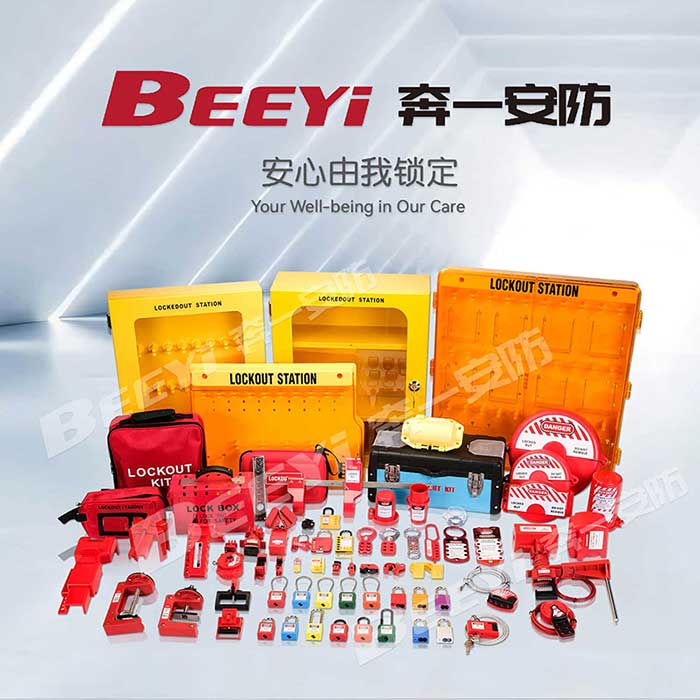
The Importance of Lockout/Tagout in Construction Construction sites are dynamic environments, with workers constantly interacting with various machinery, electrical systems, and scaffolding structures. These areas often present risks such as electrical hazards, mechanical failures, or the collapse of scaffolding, all of which can lead to severe accidents. Lockout/tagout procedures are implemented to ensure that machinery or equipment is properly shut off and cannot be accidentally activated while being repaired or maintained. In the context of scaffolding, a lockout/tagout tag is an essential part of the safety system. When scaffolding is being constructed, dismantled, or undergoing maintenance, workers must ensure that the equipment is secured and that no one unknowingly activates the structure. Scaffolding lockout tags serve as visual indicators, showing that the scaffolding is under maintenance and should not be used until the lockout tag is removed. This visual communication plays a critical role in preventing accidents and ensuring that all personnel are aware of the equipment’s status.