Lockout/Tagout (LOTO) is an essential safety procedure widely used in workplaces, especially in industries where equipment maintenance or repair is required. The primary goal of LOTO is to protect workers from accidental injury due to the unexpected release of hazardous energy during equipment servicing. One of the key elements of this procedure is the use of padlocks for LOTO, which play a critical role in preventing unauthorized access and ensuring that machines and equipment are securely locked out while maintenance is being performed. This article will discuss the importance of padlocks in LOTO procedures, their features, and how they contribute to overall workplace safety.
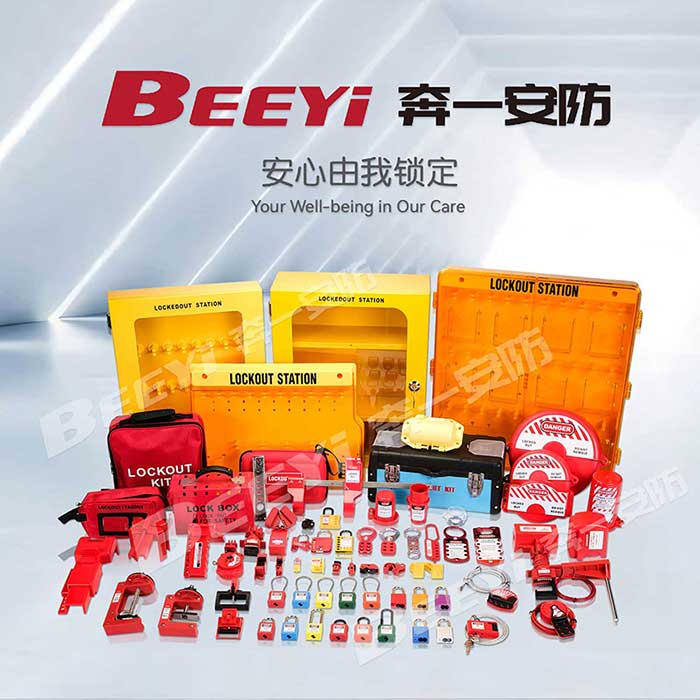
The Importance of LOTO Procedures LOTO procedures are designed to isolate and control the energy sources of machines and equipment before maintenance work begins. These energy sources could include electrical power, stored energy in capacitors, mechanical energy, hydraulic pressure, or pneumatic pressure. If these energy sources are not properly controlled, there is a risk of equipment being accidentally turned on or releasing energy, which can lead to serious injuries or fatalities. Padlocks are an integral part of this process. When maintenance or repair work is being carried out, workers need to ensure that the energy source is completely isolated. The use of padlocks helps secure switches, valves, and circuit breakers in a locked position, preventing anyone from inadvertently starting the machine or releasing dangerous energy. Padlocks also serve as a visual deterrent to others, alerting them that the equipment is off-limits and under maintenance.