Overload relays are critical components in electrical motor protection systems, safeguarding motors from damage due to excessive current flow. These devices are designed to prevent costly motor failures and downtime by interrupting the power supply when the motor is running beyond its rated capacity. This article explores the importance of overload relays, their working principles, types, and their widespread applications in various industries.
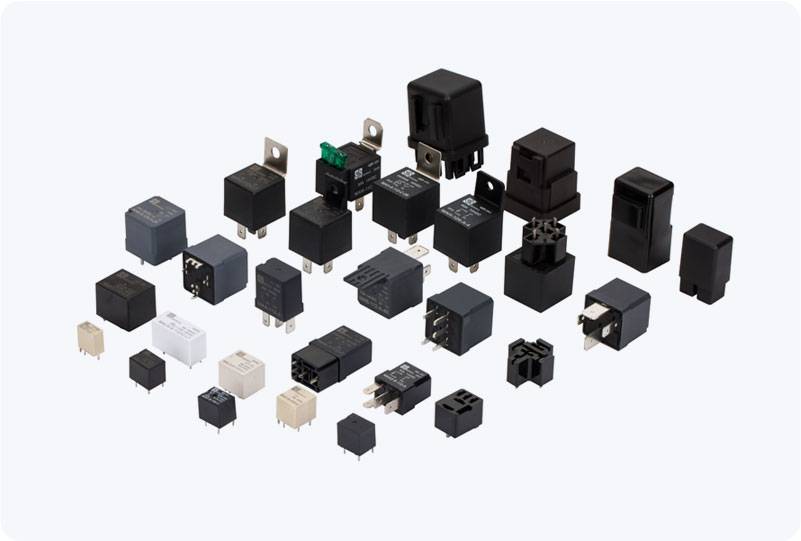
What is an Overload Relay? An overload relay is an electrical protective device used to monitor the current flowing through an electric motor and ensure that it does not exceed a predetermined safe limit. When the motor draws excessive current, which could be caused by overloading or failure in the mechanical load, the overload relay disconnects the motor’s power supply to avoid overheating or potential damage. This protection mechanism is essential for the longevity and reliability of motors, particularly in industrial settings where motor failure can lead to expensive repairs and production stoppages.