An Overload Protection Relay is a critical component in electrical systems designed to prevent damage to electrical devices caused by overloading. Overloading can occur when the current flowing through electrical equipment exceeds its rated capacity, leading to overheating, insulation breakdown, and potential failure of components. This is especially common in motors, transformers, and other high-power devices. By monitoring and controlling the electrical current, overload protection relays ensure the longevity and efficiency of electrical systems while reducing the risk of fire, equipment failure, and costly repairs.
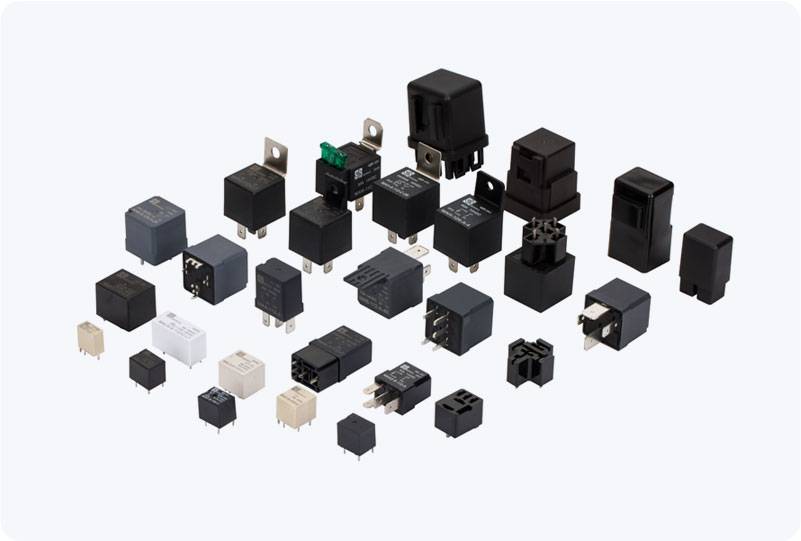
What is an Overload Protection Relay? An overload protection relay is a device that is used to safeguard electrical equipment from excessive current. It works by sensing the load current in a circuit and activating a protection mechanism when the current exceeds a predetermined limit. Typically, overload relays are installed in motor control circuits, where they protect motors from running under excessive load conditions, which could cause them to overheat or burn out. When a motor or other electrical device operates beyond its rated capacity, the relay triggers a mechanism that cuts off the power supply, preventing further damage. The relay remains in an open state until the fault condition is cleared, either by manual reset or automatic recovery mechanisms, depending on the design.