In today’s fast-paced industrial landscape, workplace safety is a paramount concern, especially in industries dealing with electrical systems. OEM Electrical Equipment Lockouts manufacturers play a crucial role in safeguarding both personnel and equipment by providing specialized lockout/tagout (LOTO) devices. These devices are used to prevent the accidental activation of electrical systems during maintenance, repair, or inspection activities. By ensuring compliance with safety regulations, these manufacturers contribute significantly to creating safer working environments, particularly in high-risk settings like power plants, factories, and industrial complexes.
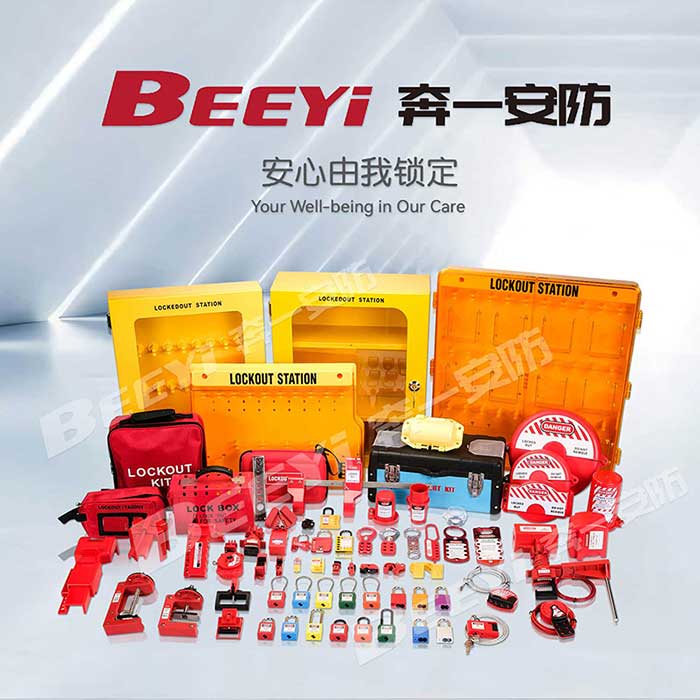
What Are OEM Electrical Equipment Lockouts? OEM (Original Equipment Manufacturer) Electrical Equipment Lockouts are safety devices that lock electrical equipment in a de-energized or safe condition. These lockouts are designed to prevent workers from inadvertently interacting with machinery that could be energized, ensuring that electrical systems are completely shut off before any maintenance work begins. These devices are often made from durable materials like heavy-duty plastic, steel, or aluminum to withstand harsh industrial environments. Lockout devices come in various forms, such as circuit breaker lockouts, padlocks, switch lockouts, and valve lockouts, each tailored for specific electrical components. The essential purpose of these lockouts is to guarantee that only authorized personnel can unlock and operate electrical systems, thereby preventing injuries or fatalities caused by accidental electrical shocks or equipment malfunctions.
Leave a Reply