Non-toxic solenoid valves play a critical role in various industries, particularly in sectors where contamination must be strictly avoided. These valves, designed with safety and hygiene in mind, ensure that the fluids or gases passing through them remain uncontaminated. By utilizing non-toxic materials and adhering to high safety standards, these solenoid valves have found their place in applications where the highest levels of purity are required, such as food and beverage processing, pharmaceuticals, water treatment, and medical equipment. In this article, we will explore the functionality, materials, applications, and benefits of non-toxic solenoid valves, as well as their role in ensuring safety and efficiency.
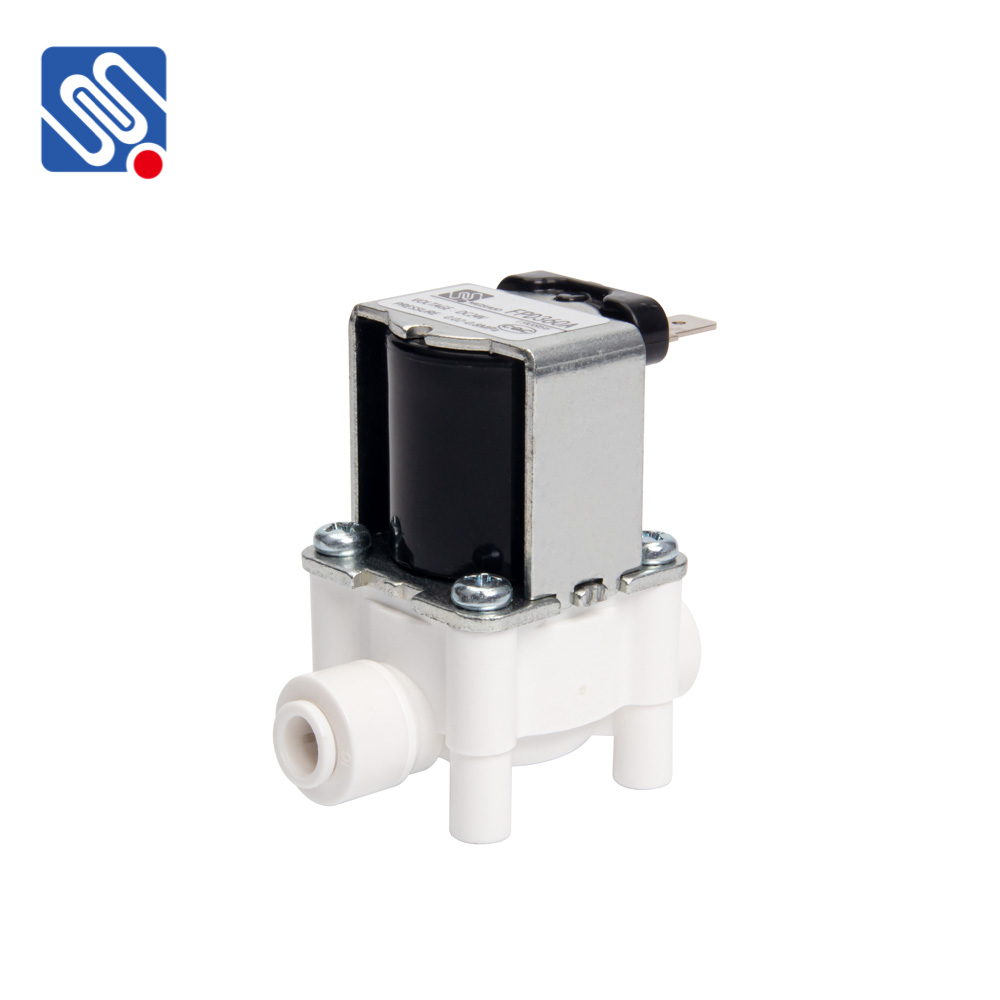
What is a Non-toxic Solenoid Valve? A non-toxic solenoid valve is an electromechanical valve that controls the flow of fluids or gases in a system, designed to prevent any toxic substances from leaching into the controlled medium. These valves function by using an electromagnetic coil to open or close a valve, allowing or blocking the flow. However, unlike standard solenoid valves, non-toxic solenoid valves are made from materials that do not release harmful chemicals, which makes them ideal for use in sensitive environments. The valve’s materials, including seals, gaskets, and the valve body, are carefully selected to meet stringent safety and health standards.