Introduction
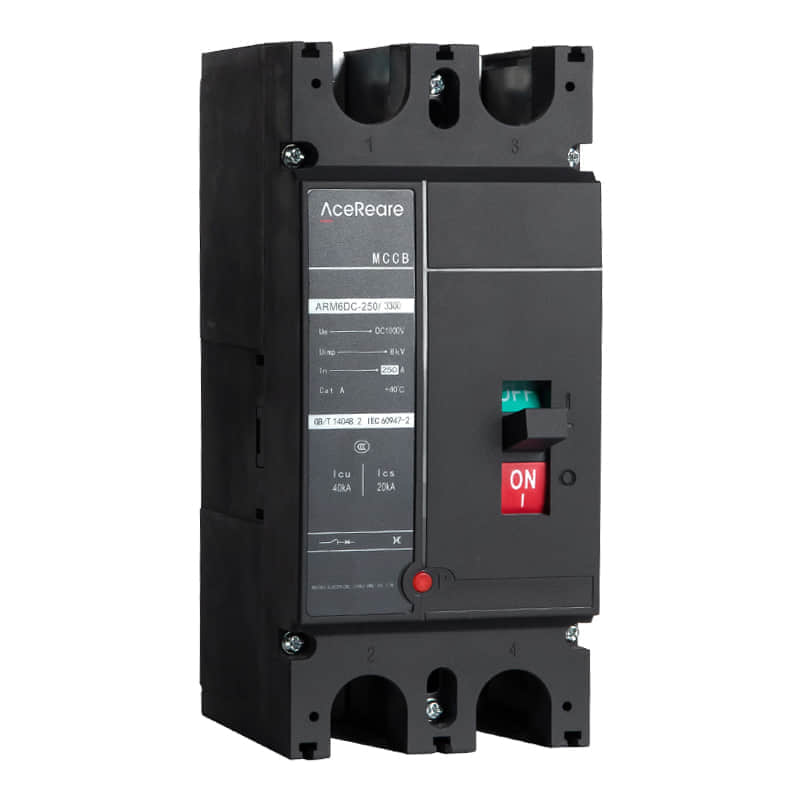
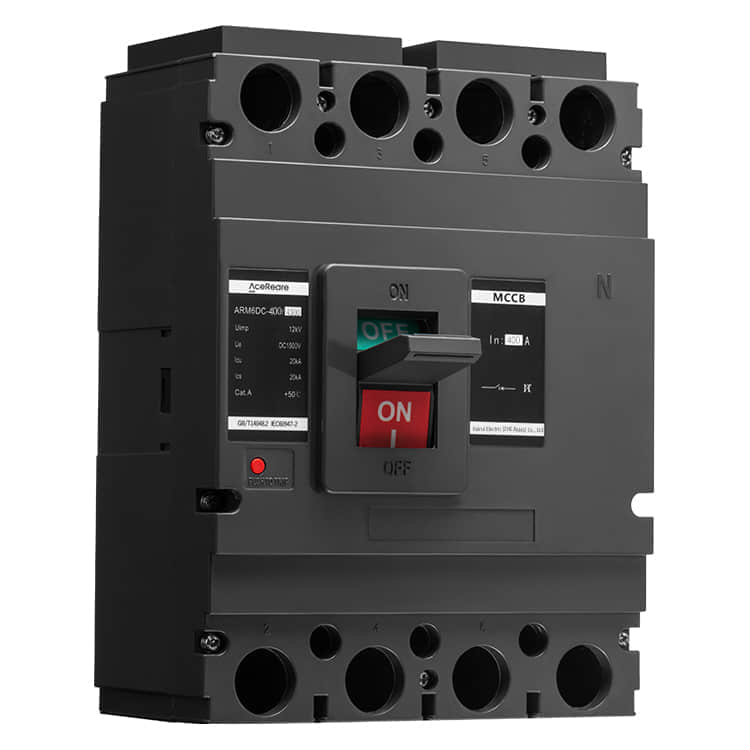
In the realm of electrical engineering, Moulded Case Circuit Breakers (MCCBs) stand as sentinels of electrical safety, safeguarding infrastructure and equipment from potential hazards. The manufacturing of MCCBs is a meticulous process that involves advanced technology, precise engineering, and unwavering commitment to quality. This article delves into the intricate world of MCCB manufacture, shedding light on the key stages and innovations driving the production of these essential components.
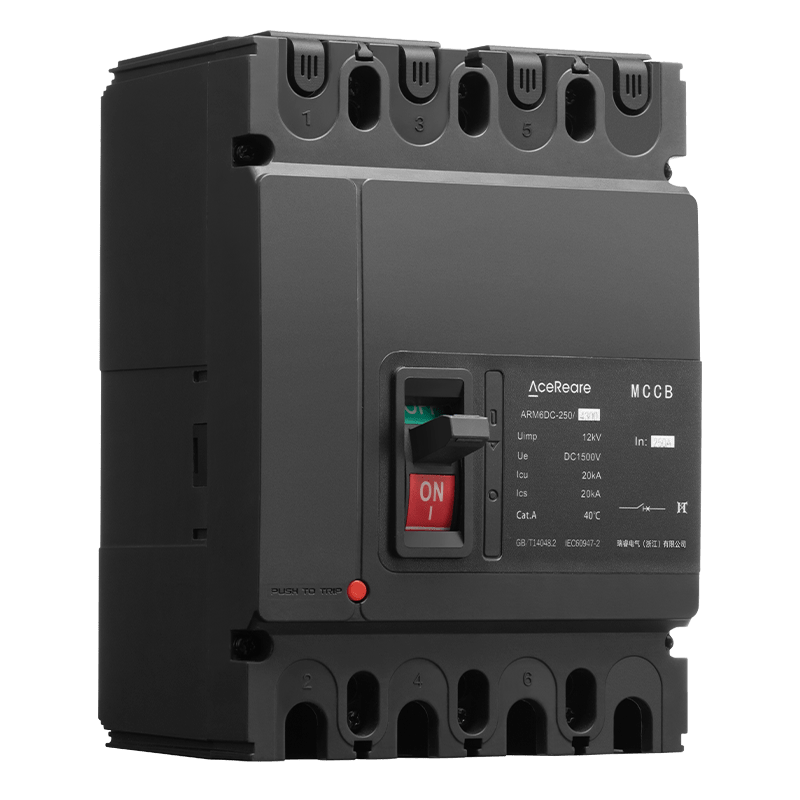
Design and Engineering MCCBs begin their journey as intricate designs on the desks of skilled engineers. The initial design phase encompasses factors such as current ratings, breaking capacities, and voltage levels. Manufacturers utilize Computer-Aided Design (CAD) software to create intricate models that ensure optimal performance and compliance with safety standards. Material Selection The quality and durability of an MCCB rely heavily on the materials chosen for its construction. High-grade insulating materials, conductive parts, and arc-quenching materials are selected to withstand the rigors of electrical operations. Modern MCCB designs often incorporate materials that are not only robust but also environmentally friendly. Manufacturing Processes The manufacturing process of MCCBs is a blend of automated machinery and skilled craftsmanship. Precision injection molding techniques are employed to create the intricate casings that house the circuit breakers. These casings are designed to withstand mechanical stress, environmental factors, and provide excellent insulation. Assembly and Wiring MCCBs consist of numerous components, each playing a vital role in their functionality. Automated assembly lines are used to precisely integrate components like trip units, operating mechanisms, and arc chutes into the casings. Wiring, another critical aspect, demands meticulous attention to detail to ensure electrical integrity and safe operation. Testing and Quality Assurance The reliability of MCCBs is non-negotiable, as they play a crucial role in preventing electrical accidents. Rigorous testing procedures are executed at various stages of manufacturing. Functional tests, temperature-rise tests, short-circuit tests, and endurance tests validate the MCCBs’ performance under stress. Quality assurance protocols guarantee that every MCCB leaving the factory meets or exceeds industry standards. Innovations in MCCB Manufacturing The manufacturing of MCCBs has evolved significantly with technological advancements. One noteworthy innovation is the integration of digital elements such as smart trip units. These units monitor electrical parameters in real-time and provide remote control, enhancing the efficiency and safety of the MCCBs. Furthermore, sustainable manufacturing practices have gained prominence. Manufacturers are increasingly adopting eco-friendly materials, energy-efficient production techniques, and recycling programs to minimize the environmental footprint of MCCB production. Conclusion Moulded Case Circuit Breakers are the unsung heroes of electrical systems, diligently protecting lives and equipment from potential electrical hazards. The intricate process of manufacturing MCCBs blends engineering precision with cutting-edge technology, resulting in components that embody safety and reliability. As technology continues to advance, so does the art of MCCB manufacturing, ensuring a safer and more sustainable electrical future.