A Motor Control Power Relay is an essential electrical component that plays a critical role in controlling the operation of electric motors. From simple on/off operations to complex motor protection and switching functions, these relays ensure that motors run smoothly, efficiently, and safely. In this article, we will delve into the role of motor control power relays, their key functions, and how they are utilized in various industrial applications.
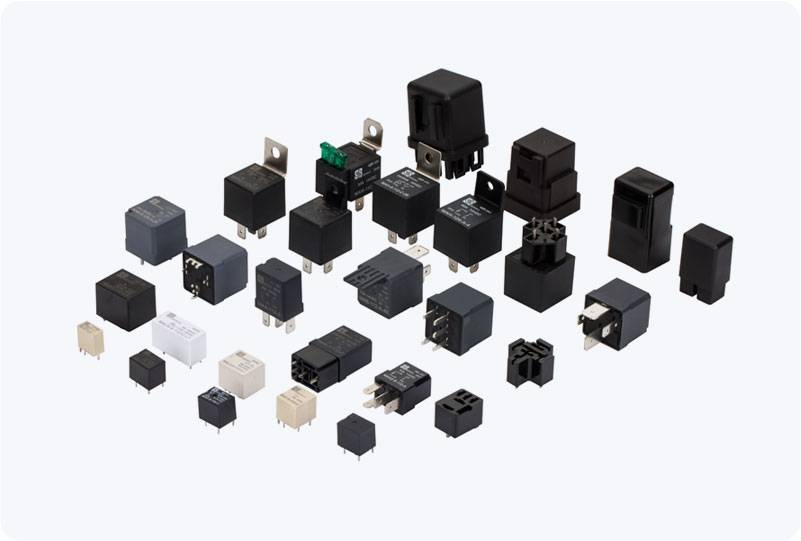
What is a Motor Control Power Relay? At its core, a Motor Control Power Relay (MCPR) is an electromagnetic switching device used to control a large electric current that powers motors. These relays are designed to bridge the gap between low-power control circuits and high-power motor circuits. Essentially, they enable the low-voltage control system to manage high-voltage electric motors, providing a means to control their operation without direct interaction with the high-power load. In simpler terms, the relay acts as an intermediary between the control system (like a PLC or a microcontroller) and the motor. When the control circuit signals the relay, it triggers the power circuit, allowing electricity to flow to the motor and turn it on. Similarly, the relay can disconnect the motor from the power supply when needed, making it a crucial element in managing motor functions safely.