The Low Voltage Solenoid Valve is an integral component in modern fluid control systems, offering a practical solution for applications that require low power consumption, enhanced safety, and efficient operation. These valves operate through the electromagnetic principle, using a solenoid coil to control the flow of liquids and gases. With the growing demand for energy-efficient systems and the increased focus on safety in both industrial and commercial settings, low voltage solenoid valves have gained popularity across various industries. In this article, we will explore the working mechanism, advantages, applications, and considerations associated with Low Voltage Solenoid Valves.
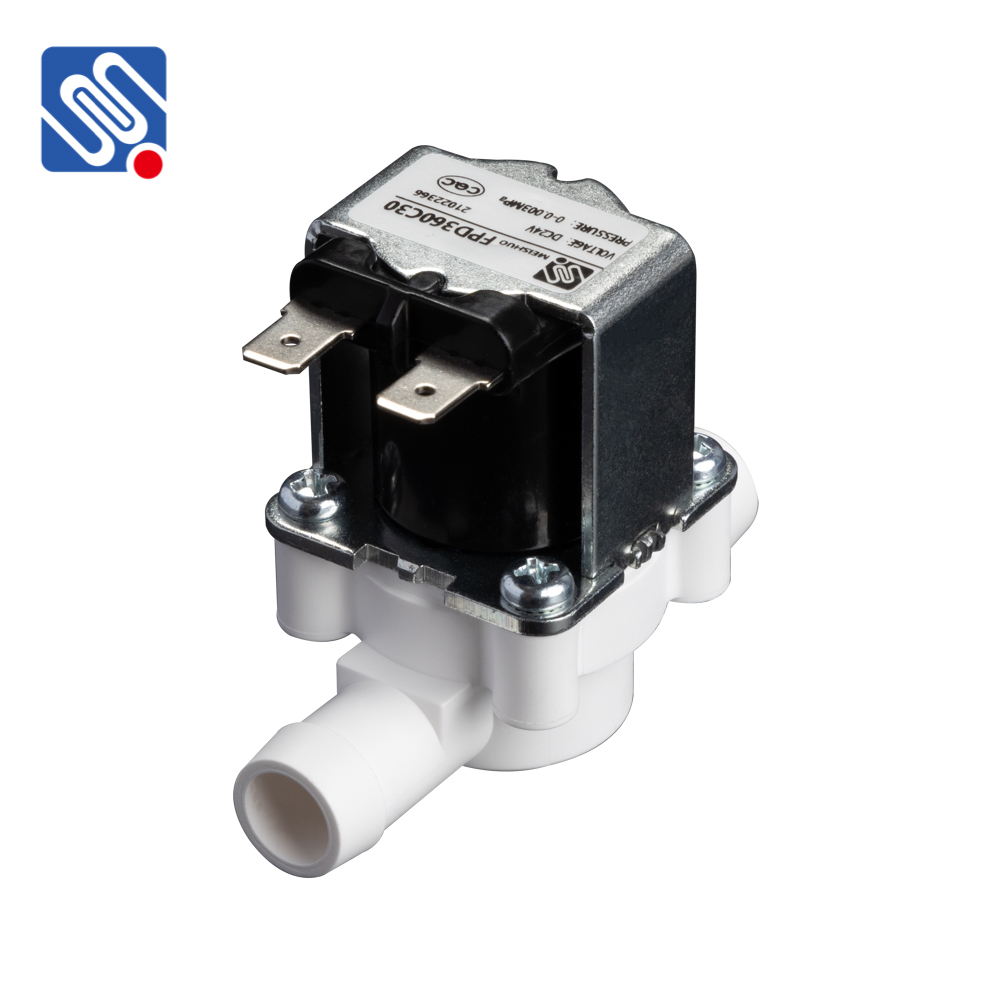
How Does a Low Voltage Solenoid Valve Work? At the core of a Low Voltage Solenoid Valve is a solenoid coil, which is energized when current flows through it. The solenoid generates a magnetic field that moves a plunger or armature within the valve body. This movement either opens or closes the valve, allowing or restricting the flow of fluids (liquid or gas) through the system. The solenoid coil is typically powered by a low voltage, usually 12V or 24V DC, making these valves particularly suitable for applications where higher voltage systems are not feasible or desirable. When the solenoid is activated, it generates enough force to overcome the spring tension, allowing the valve to open. When de-energized, the spring force brings the valve back to its original closed position. This simple yet effective mechanism ensures fast and reliable control of fluid flow in a variety of systems.