In today’s rapidly advancing technological landscape, energy efficiency has become a critical concern across industries. The growing demand for low-power, compact, and reliable components has led to the development of various innovative solutions. One such breakthrough in the field of electronic control systems is the low-power relay. These relays are specifically designed to operate with minimal electrical power while maintaining the reliability and performance that traditional relays provide. The introduction of low-power relays is transforming a wide range of applications, from home automation to industrial control systems, enabling better energy utilization, compact device designs, and longer battery life.
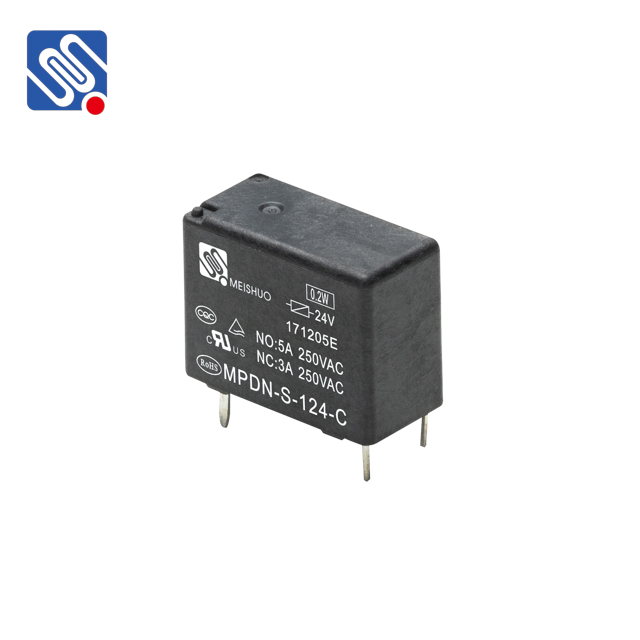
What is a Low-Power Relay? A low-power relay is an electromagnetic switch designed to operate at a significantly lower power level compared to traditional relays. While standard relays may require a higher input voltage and current to activate their mechanical contacts, low-power relays are engineered to function with much smaller amounts of power, usually in the range of 3V to 12V. This is achieved through the use of specialized materials and engineering techniques that enhance the relay’s sensitivity, allowing it to perform tasks with reduced energy consumption. These relays are commonly used in applications where battery life, compactness, and efficiency are crucial. For instance, they are an essential component in wearable electronics, IoT devices, and remote-controlled systems, where minimizing power consumption is critical for extending the operational life of the device.