In the construction industry, safety is of paramount importance. Scaffoldings, which are essential structures for workers to perform tasks at height, present numerous hazards. One critical safety measure in scaffolding management is the use of lockout tags, which serve as a visual indicator that certain equipment or sections of the scaffold are unsafe to use. This article delves into the importance of lockout tags, the role of suppliers in offering low-cost solutions, and why choosing the right supplier can significantly impact both safety and cost efficiency on construction sites.
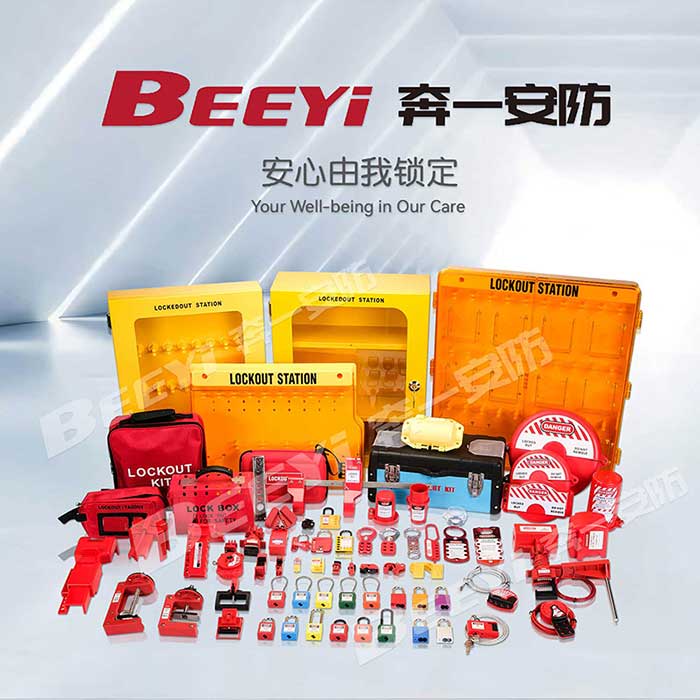
Understanding Lockout Tags and Their Role A lockout tag is a safety device used to indicate that a particular piece of equipment or machinery is under maintenance or cannot be used until the safety concerns are resolved. For scaffolding, lockout tags are used to prevent the unauthorized use of scaffolding platforms and to alert workers to any potential safety risks. These tags typically feature bright colors, such as red and yellow, and are made from durable materials that can withstand harsh weather conditions. Lockout tags are not just a regulatory requirement but a crucial part of a safety program that helps prevent workplace accidents, such as falls or collapses. They ensure that workers are aware of potentially hazardous conditions, reducing the risk of accidents caused by equipment misuse.