Lockout/Tagout (LOTO) safety procedures are essential practices in industrial settings, designed to prevent accidents and injuries during maintenance and repair operations. LOTO safety involves controlling hazardous energy sources that power machinery or equipment, ensuring that workers can perform maintenance tasks without the risk of accidental machine startups or releases of energy. In this article, we will explore the importance of LOTO safety, the key elements of LOTO procedures, and how to implement them effectively to protect workers and comply with regulations.
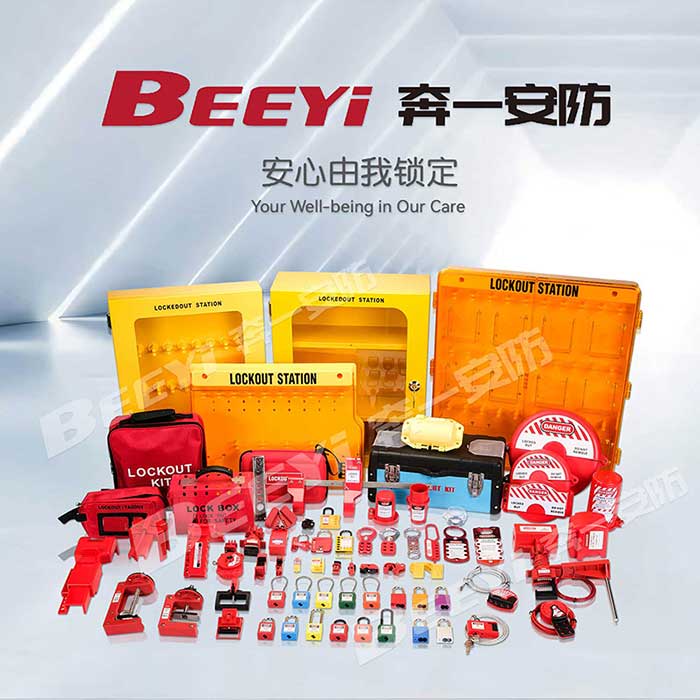
What is LOTO Safety? LOTO stands for Lockout/Tagout, a safety protocol used to isolate and secure energy sources during maintenance work. The goal of LOTO safety is to protect workers from being injured by machinery or equipment that could be accidentally activated while they are working on it. The process involves two main steps: lockout and tagout. Lockout refers to physically locking the energy isolation devices, such as electrical circuit breakers, valves, or power switches, in the off position with a lock. This ensures that equipment cannot be inadvertently turned on while maintenance is being performed.