Lockout-Tagout (LOTO) is a critical safety protocol employed across various industries to prevent workplace accidents related to the accidental release of hazardous energy. Among the various tools and equipment used in implementing this protocol, the LOTO padlock stands as one of the most essential. These specialized locks are designed to ensure that dangerous machinery and equipment are effectively isolated from their energy sources during maintenance, repair, or servicing. This article delves into the role, features, and significance of the LOTO padlock in safeguarding both workers and equipment in high-risk environments.
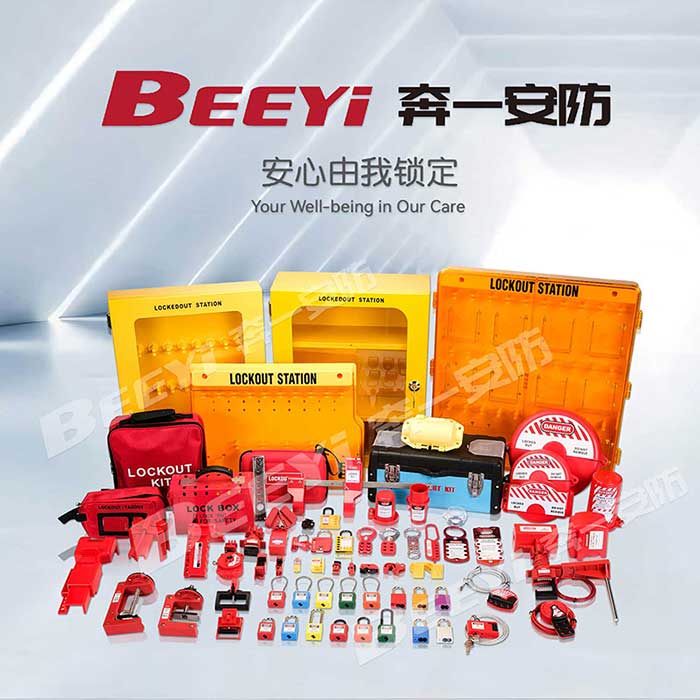
What is a LOTO Padlock? A LOTO padlock is a specialized locking device used as part of the Lockout-Tagout safety procedure to physically isolate machinery or equipment from energy sources. The purpose of these locks is to prevent the accidental release of hazardous energy, which could result in serious injuries or even fatalities. These locks are applied to energy-isolating devices such as circuit breakers, valves, switches, or any other components that control the flow of energy (electrical, mechanical, hydraulic, etc.) to equipment under maintenance. LOTO padlocks are typically used in conjunction with other devices like lockout tags, hasps, and chains to ensure that equipment remains in a de-energized state while maintenance workers perform their duties. They are often used in industrial environments, factories, power plants, and construction sites where the potential for hazardous energy release is high.