Lockout hasps play a crucial role in industrial safety, especially in environments where the control of hazardous energy is critical. They are part of the lockout/tagout (LOTO) system, which ensures that equipment is properly shut off and cannot be accidentally re-energized while workers perform maintenance or repairs. Given their importance, reliable Lockout Hasps technical support becomes essential to ensure proper use, troubleshooting, and compliance with safety regulations. This article explores the key aspects of Lockout Hasps technical support and how it helps organizations maintain a safe working environment.
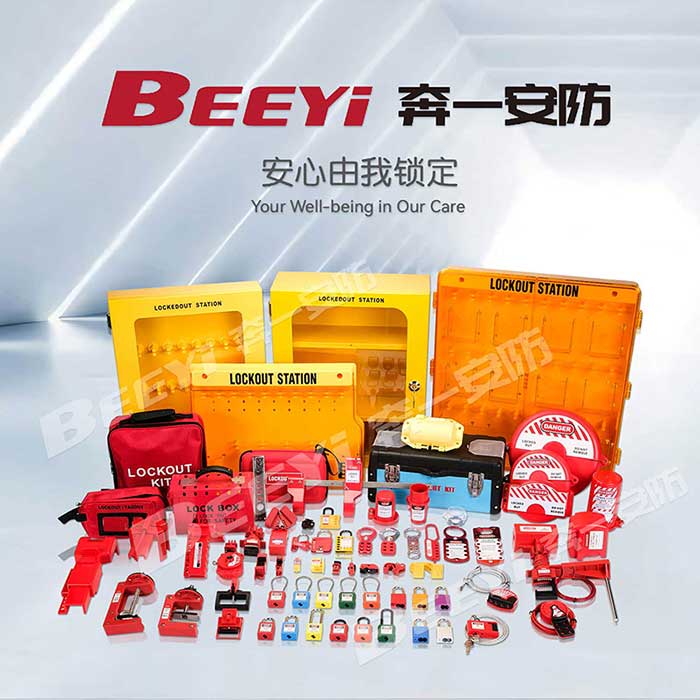
What Are Lockout Hasps? Lockout hasps are devices that allow multiple locks to be applied to a single lockout point. They are typically used in situations where more than one worker is involved in the maintenance or servicing of equipment. By allowing each worker to apply their own lock, lockout hasps ensure that no one can inadvertently restart equipment while it is being worked on. They are available in various sizes and configurations, making them suitable for a wide range of industrial applications. These devices are usually made from durable materials like steel or heavy-duty plastic and are designed to withstand harsh industrial environments. They often feature a sturdy clasp mechanism that secures the lockout point, and some models allow for multiple locks to be attached simultaneously.