In industrial and manufacturing environments, worker safety is of paramount importance. Lockout/tagout (LOTO) procedures are essential for preventing accidents during maintenance, repair, or service activities on machines and equipment. One crucial component in these safety protocols is the lockout hasp, a device that helps ensure that machinery is properly isolated and cannot be accidentally operated while workers are working on it. In this article, we will explore the role of lockout hasps and introduce some of the leading manufacturers in this field.
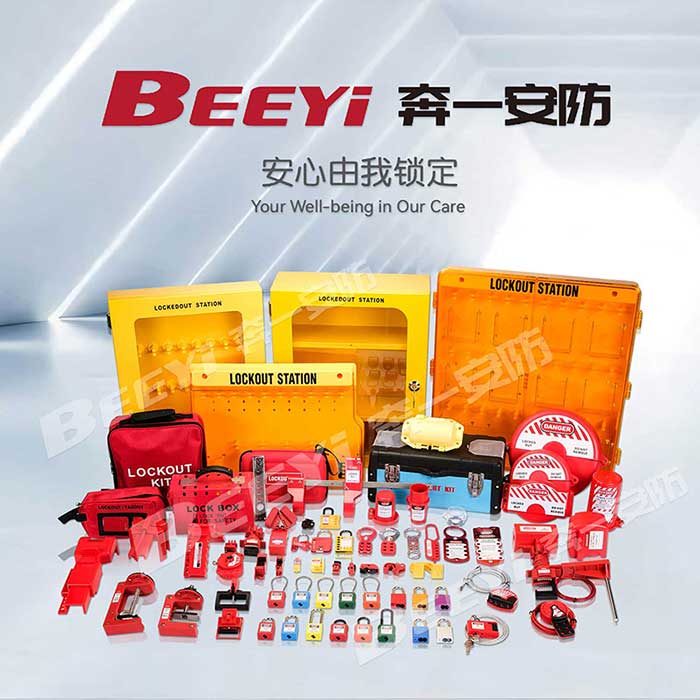
What Are Lockout Hasps? A lockout hasp is a safety device designed to hold multiple padlocks in place to prevent the accidental operation of machinery or equipment during maintenance activities. When a piece of machinery needs servicing, it is crucial to ensure that it cannot be turned on by anyone else while maintenance is ongoing. The lockout hasp allows workers to attach their own padlocks to a machine’s energy-isolating device, effectively locking the equipment in place. The design of lockout hasps generally consists of a metal or plastic body with multiple holes to accommodate several padlocks. Each lockout hasp can usually hold from one to six padlocks, making it possible for several workers to securely isolate the same piece of equipment. The purpose of the lockout hasp is to ensure that only those with authorized locks can operate the equipment once the service work has been completed.